Search Results
405 results for “where to buy a dog”

Dog Vaccine Basics Every Owner Should Know
Core vaccines (must): distemper, parvovirus type 2, adenovirus type 2, rabies. Non-core (recommended by risk): parainfluenza, leptospira, Lyme, Bordetella, canine flu. Coronavirus vaccine is not recommended. 'X-in-1' just means how many diseases it covers; pick any combo containing core. Typical schedule: combo at 6, 9, 12 weeks, rabies at 14 weeks, then yearly. Stay 20–30 min post-shot to catch rare allergy (1.2%); skip baths 7–10 days, never vaccinate a sick dog, and don't buy vaccines online—use a clinic and keep the vaccine record for the license and travel.

Are Dog Treats a Blessing or a Poison?
Treats come in many types. Meat jerky (chicken/duck/beef, dry or moist) suits most dogs—buy branded, dated, labeled ones. Functional treats include dental biscuits and chews (rawhide, pork/beef skin, plant protein) that clean teeth and pass time; size to the dog to avoid swallowing. Dairy treats need lactose-free choices for lactose-intolerant dogs. Natural chews (bones, rabbit ears) are popular but unpreserved, so buy small. Pick known brands with clear labels, check dates, and remember: staple food sustains alone; treats alone do not—and too many treats breed pickiness.
The Right Way to Feed Dog Treats
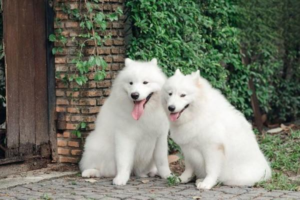
What makes a dog fat? Beyond excess kibble and too little exercise, the most common cause is treats—their excess nutrition silently fattens your dog. So how many treats a day? AAFCO defines treats as not meeting daily nutritional needs but meant to encourage the dog and reinforce training. In reality dogs love high-fat, sugary things, so popular treats add lots of fat and sugar—they are a double-edged sword: they make the dog obey but also make it fat. How many? No standard answer; age, health, and breed matter, but the international rule is treats under 10% of daily calories. Don't fret over the math—most treats should be given only 1–2 times daily. Types: high-nutrition treats (meat, cheese, liver) — 1 time daily; ordinary nutrition treats (biscuits that look light but are high-calorie—check the label) — 2 times daily. When to give: anytime, but the best time is between meals so calories release better; if your dog eats three meals, give in the afternoon, not at night.

Keep These Cleaning Products Away from Your Dog
Household cleaners carry more hazardous chemicals than you think, and they are far worse for dogs. Dogs spend nearly all their time on the floor, touching cleaners directly and absorbing them through paw pads and skin; even off the floor, their keen noses inhale the toxins. Five chemical groups to watch: ammonia (toxic, irritates the respiratory system; in glass/stainless cleaners, floor wax)—seek vet care if ingested. Chlorine/bleach (vomiting, diarrhea, burns, even seizures; in toilet/mold cleaners, detergent). Phthalates (linked to liver, testicular, pancreatic tumors; in nail polish, hairspray, soap, shampoo—avoid in dog toys). Glycol ethers (liver, nerve, digestive harm; in multipurpose/carpet/glass cleaners, hand soap; even 'natural' ones). Formaldehyde (irritates eyes/skin, slows breathing; in perfume, tissues, hand soap, nail polish). Also avoid 84 disinfectant (bleach-based, corrosive, causes chronic rhinitis).

Your Dog’s Pica (Eating Non-Food) Is Simpler Than You Think
Pica is when a dog eats non-food items. Some dogs fixate on one object; others eat all sorts of strange things. It is dangerous because what they swallow usually stays in the gut undigested or disrupts digestion. Pica is not the same as eating feces—that common behavior is not classified as pica and is no cause for alarm. Causes range from simple hunger, poor nutrition, and hormonal imbalance to diabetes, thyroid disease, and even separation anxiety or stress (some breeds like Labradors are more prone). Diagnosis needs blood, stool, and urine tests, with no guarantee of an answer. Treatment depends on the cause: physical pica with digestive upset may improve by splitting two large meals into 3–4 small ones plus deworming and nutrition; psychological pica needs patient, cumulative retraining. Above all, do not blindly dose supplements—every dog's pica has a different cause.
How do I train a dog that is too clingy?
A clingy dog may lack security — avoid frequent boarding, spend fixed daily playtime but let it be alone otherwise, and do separation training: briefly leave 10 minutes at a time without fuss, so the dog learns you return and gradually becomes independent.
How can I take my dog on a train?
Dogs can travel by train through the railroad's checked-baggage (pet shipping) service, which usually has a weight limit of under 20 kg. Not every train type offers it, so call the railway hotline (12306) to confirm before buying a ticket, obtain the animal quarantine certificate in advance, and arrive 2–3 hours early on travel day to complete the shipping paperwork.

How Long Can a Dog with Kidney Failure Live? Three Ways to Add Years
There is no single answer to how long a dog with kidney failure survives—it depends on type, stage, and treatment. Acute failure from toxins or blockage can often be reversed if treated within about 48 hours. Chronic failure in older dogs can't be cured, but mid-stage dogs commonly live 1–3 years and some over 5 with good management. Diet, medication, and daily care are what buy the time.

Can Dog Kidney Failure Be Cured? The Honest Answer
Dog kidney failure splits into two very different pictures. Acute failure—from toxins, severe infection, or a blockage—can often be reversed if treated within about 72 hours. Chronic failure, common in older dogs, is irreversible because most function is already lost before signs appear; the goal then is to slow it down and protect quality of life. Both need a veterinarian's plan, not guesswork.

Temperament and Selection of the Icelandic Sheepdog
The Icelandic Sheepdog is a medium, sturdy, friendly, intelligent, and brave breed that makes a beloved companion. It is gentle and non-aggressive but stubborn and vocal, so it suits suburban or rural life more than city apartments, and needs firm training to manage. Adaptable to harsh weather and a willing worker with a keen nose, it is loyal, great with children, and loves people. When choosing one, buy from a reputable breeder, check the body and eyes, assess temperament, and expect a market price around 3,000 RMB for a healthy, good-looking dog.