Search Results
3539 results for “when to take cat to vet”

Sudden Bloody Stool in a Kitten: What Could It Be?
A kitten with blood in its stool may have swallowed something sharp, caught a gut disease, or picked up parasites. Because kittens decline fast, a vet visit to find the cause is the right first move.

Treating Mite Skin Disease in Dogs
Mites hide in hair follicles and show as patches of hair loss, redness, and itching that worsen without care. A vet check, a skin spray and ointment, and a clean, dry, disinfected home bring the fastest recovery.

Why Your Dog Lost Its Appetite and Energy
A dog that stops eating and goes quiet may have a troubled stomach, parasites, an internal illness, or simply picky habits. Match the cause to the fix: adjust the diet, deworm on schedule, or see a vet when illness is the culprit.

What Are the Signs of Fever in a Dog?
A dog with a fever loses interest in food, turns quiet and withdrawn, and develops a dry, hot nose and ears. Catching these signals early lets you check the temperature and start cooling before the illness worsens.

Can Canine Distemper Spread to Other Dogs?
Canine distemper is a highly contagious viral disease that spreads mainly through airborne particles between dogs, as well as to foxes, wolves, and similar animals. Unvaccinated or immunologically unprotected dogs are especially vulnerable, so isolation and thorough disinfection are essential when a case appears at home.

Can Canine Distemper Be Cured?
Canine distemper is a highly contagious viral disease with over 50% mortality, but caught early it is often treatable. Symptoms move from mild fever and diarrhea to severe eye and nerve damage, so any suspected case needs immediate veterinary care.

Dog Coronavirus: Treatment and Recovery
Dog coronavirus spreads through contact with infected feces and causes sudden vomiting, diarrhea, and lethargy, with cases able to relapse 14-21 days after signs fade. Supportive care, vet-prescribed meds, and gut-resting food let most dogs recover, but severe cases need a hospital.

What to Do If a Newborn Kitten Gets Ringworm
Newborn kittens catch ringworm easily because their immune systems are still weak. The response is the same as for any cat: isolate, treat the spots gently, boost nutrition, and keep the environment clean, but with extra care given their tiny size.

How to Treat a Kitten That Gasps Like It’s Having an Asthma Attack
A kitten that gasps like it's wheezing usually has feline asthma — chronic bronchitis or bronchial asthma, mostly allergic. Triggers include dust, pollen, and irritating food or gut blockage. Mild cases need calm, slow water, and probiotics; allergic attacks need vet-prescribed cough and phlegm relief, plus reduced dust and a healthy weight.
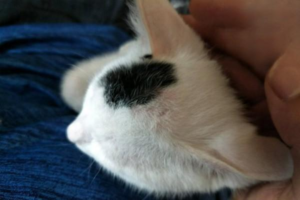
What Those Hard Lumps on a Kitten’s Head Mean
A hard, painless white lump on a kitten's head that neither grows nor fades is often a sign of ringworm. Ringworm comes from contact with fungi like Microsporum canis or Trichophyton, thriving in damp, dirty places. It causes scaly spots and hair loss, is contagious to people, and needs vet care plus topical antifungal ointment and good hygiene.