Search Results
3548 results for “when to take cat to vet”
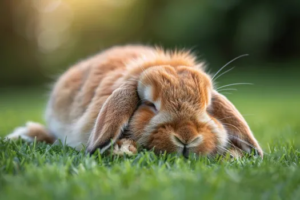
Why Does My Rabbit Have Cold Ears and No Appetite?
Cold ears in a rabbit usually mean its body temperature has dropped and it feels chilly — warm it up with a blanket and keep its environment at 18–24°C. If the ears are cold together with loss of appetite, an illness such as rabbit hemorrhagic disease, a cold or a serious condition may be lowering its temperature; watch for lethargy, sneezing, discharge or diarrhea and see a vet promptly.
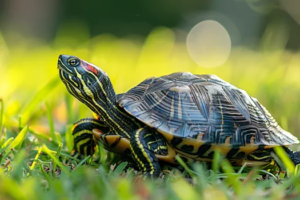
How to Treat a Cold in a Turtle
Turtle colds are treated by severity: mild cases need isolation and a warm (30–32°C day, 28–30°C night), well-ventilated environment plus electrolytes and sunlight; moderate cases add daily oxytetracycline soaks; severe cases need amoxicillin for two courses, with a vet visit if there is no improvement.

What to Do When Your Dog Is Injured
For minor scrapes and cuts, clean the wound with warm water and disinfect with iodine or alcohol; for heavy bleeding, stop the bleeding first, then disinfect, and for severe wounds go to a vet for stitches. Keep the wound dry and covered, and monitor daily for redness or pus.
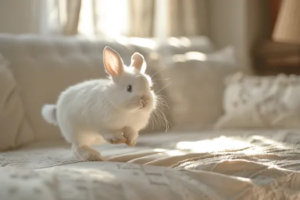
Will a Rabbit’s Diarrhea Get Better on Its Own?
A rabbit's gut is delicate, so diarrhea is a serious sign that will not resolve on its own. Causes include coccidiosis, chills/colds, improper diet, and rabbit hemorrhagic disease (RHD); treatment ranges from veterinary care for infection or RHD, to warming and diet fixes for mild cases. Never wait it out.

Why Is My Rabbit Passing Blood in Its Stool?
Blood in a rabbit's stool is alarming and should never be ignored. Causes include constipation from dry food and low water intake, parasite overload, enteritis (which can rupture local capillaries), and rectal tumors or polyps. Treatment matches the cause—diet and hydration for constipation, deworming for parasites, antibiotics for enteritis, and prompt surgery consult for growths.

Is My Chinchilla Dead If It Has Gone Stiff?
A chinchilla that suddenly goes stiff and motionless worries many owners, but stiffness is not always death. The common causes are low blood sugar, heatstroke, cold (entering a dormant state), and injury. Most are reversible with warmth, glucose water, cooling, or veterinary care—so check before assuming the worst.

Do Parrots Need Deworming? How to Tell If Yours Does
Parrots can host feather mites and internal parasites even when they look clean, and some breeds—such as monk parakeets—are especially prone to worms. Regular deworming protects both your bird's health and your own, since handling a pet can pass parasites to people. This guide explains when parrots need deworming and the signs that indicate it's time.

What to Do When Your Rabbit’s Mouth Is Sore or Cracked
A rabbit with a sore or cracked mouth needs prompt checking and treatment, or the problem can worsen. Common causes are a vitamin-deficient diet, poor oral hygiene, and dehydration; treatment means switching to vitamin-rich greens and hay, cleaning the mouth, encouraging water, and providing chew toys to keep teeth worn.

Can a Puppy With a Runny Nose Get Vaccinated?
Dogs showing any sign of illness—such as a runny nose, sneezing, vomiting, or diarrhea—should not be vaccinated, because live-attenuated vaccines can worsen an existing condition. Puppies need to be at least 45 days old for their first shot and about 3 months old for the rabies vaccine, with deworming spaced roughly a week apart. After vaccination, observe the dog for 30 minutes, avoid baths for 7 days, and confirm immunity with an antibody test around 15 days later.

Common Guinea Pig Diseases and How to Prevent and Treat Them
Coccidiosis, colds, and diarrhea are among the most common health problems in guinea pigs, and owners should focus on preventing them. This guide outlines practical prevention and treatment measures for these frequent guinea pig illnesses, from medication and wound care to daily hygiene checks.