Search Results
3548 results for “when to take cat to vet”
What should I do if my rabbit’s nail is split?
From the photo, the affected area has scabbing, possibly from a fungal infection; use antifungal medication. A split nail can also come from trauma or inflammation, needing anti-inflammatory and antibacterial treatment. Clean and disinfect the site first, then apply medication; if there is little improvement, see a vet.
What should I do if my dog is pooping blood?
From the photo you provided, it appears your dog is passing blood in its stool. Bloody stool can be caused by many issues, including parvovirus, distemper, colon tumors, parasites, gastroenteritis, or poisoning. Withhold food and water immediately and take your dog to a veterinary hospital for diagnosis and treatment.

Why Does Your Dog Keep Passing Smelly Farts?
A dog that frequently passes foul-smelling gas usually has a digestive or dietary problem — poor kibble, too much meat, gas-producing foods, or a weak gut. Feed a quality diet, ease off rich food, and add a pet probiotic; if it persists, see a vet.

How to Treat Coccidiosis in Rabbits
Rabbit coccidiosis is a serious, potentially fatal disease marked by diarrhea, lethargy, poor appetite, and a foul odor. Treat it by isolating the sick rabbit, disinfecting its cage, and giving a dewormer, with vet care if symptoms do not improve.

Do Guinea Pigs Need Coccidia Prevention?
Guinea pigs benefit greatly from coccidia prevention, since an infection can be fatal — especially in young pups that are hard to treat. Prevention combines a clean, dry, well-ventilated habitat, enough vitamin C, and a short course of diclazuril solution, though healthy adult guinea pigs with strong immunity usually need no medication.

Schnauzer
The Schnauzer, also called the Schnauzer, originated in 15th-century Germany; its name means 'mustache' in German and it is the only terrier without British blood. Energetic and lively, it comes in three sizes: Standard, Miniature and Giant.
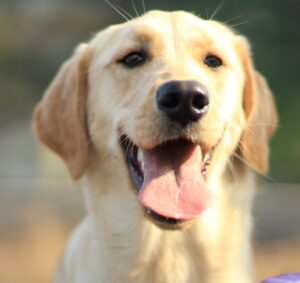
Labrador
The Labrador Retriever, also called the Lab, is a medium-large, friendly and highly intelligent breed trained as a guide and working dog. Along with the Husky and Golden Retriever it is among the three non-aggressive breeds, and comes in three standard colors: black, yellow and chocolate.

Soft-coatedWheatenTerrier
The Soft-coated Wheaten Terrier, also called the Wheaten or Irish Soft-coated Terrier, is Ireland's oldest terrier, dating to the 18th century. A medium-sized, brave and well-coordinated sporting terrier with a soft, silky wheat-colored coat and a gentle, happy temperament.

Anatolian Shepherd
The Anatolian Shepherd is a large, powerful livestock guardian dog native to Turkey, with a history dating back to the Babylonian period (2800-1800 BC). Calm, alert and deeply loyal, it is prized for its protective instincts and independent nature.

Basset Hound
The Basset Hound, also known as the French Short-legged Hound, originates from France. An ancient and noble scent hound, it was developed in Britain from French bloodlines and was traditionally used to track rabbits, deer, and other game by scent.