Search Results
3548 results for “when to take cat to vet”

Feline Sunstroke: Causes and Treatment
Feline sunstroke is a form of heatstroke caused by prolonged, intense sun exposure that overwhelms the body's ability to shed heat. Signs include high temperature, rapid breathing, lethargy, unsteady stance, and in severe cases agitation and neurological signs that can end in death. At the first sign, move the cat out of the heat and cool it down; for serious cases, seek veterinary care because complications can cause permanent harm.
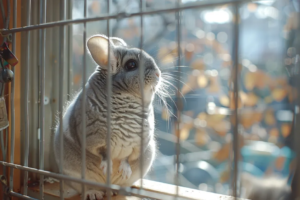
Why Is My Hamster Losing Fur on Its Belly, and What Helps?
Belly fur loss in hamsters is usually caused by a skin condition from a fungal, bacterial, or parasitic infection, but poor nutrition or abrasive bedding can also be to blame. This article covers the common causes and the practical steps and treatments to help the fur grow back.

Why Is My Hamster Constipated, and What Should I Do?
Constipation is miserable for anyone—and even a tiny hamster can get it, especially in winter when many become lethargic and lose appetite. This article explains the common causes of hamster constipation and how to relieve it by severity.

Decoding Common (and Weird) Hamster Behaviors
Backflips and endless circling may signal a stereotypic disorder—see a vet. Freezing, cage-chewing, bar-hanging, grooming, bolting on the wheel, and biting usually mean fear, boredom, stress, or teeth-grinding; enrich the cage and stay calm.

How to Treat Heatstroke in Rabbits
Heatstroke is a real risk for rabbits in hot weather because they tolerate cold better than heat and have dense fur. Move the rabbit to a cool, well-ventilated spot, lower its body temperature with cool towels and water, and seek a vet promptly if symptoms do not improve.

Red-Eared Slider Eye Swelling and White-Eye Disease: Causes and Treatment
Swollen, shut eyes in red-eared sliders are usually white-eye disease, common in spring and autumn. Isolate a few affected turtles and treat with antibiotic drops or penicillin injections; for a tank-wide outbreak, add antibiotic to the water. Keep water clean to prevent recurrence.
What should I do about my kitten’s heavy eye discharge and eyes that won’t open?
Heavy discharge and inability to open eyes are mainly eye infections — bacterial, viral, or mixed. A vet exam determines the type. Bacterial: lysozyme/tylosin drugs; viral: acyclovir drops, with thorough treatment by cause.
What medicine for the red tissue growing at my dog’s eye corner?
Red tissue at the eye corner is mainly considered a protruding or hyperplastic third eyelid. Without a photo, a vet exam is advised. If confirmed as third-eyelid prolapse, oral antibiotics plus antibiotic drops/ointment help it recover.
Brought Home at 50 Days, Then Got Lethargic, Wouldn’t Drink Formula, Then Vomited and Had Diarrhea; Now Vomiting Yellow/White Fluid and Passing Blood; Gave Medicine but No Improvement, with Abdominal Breathing and Fever
A puppy with vomiting, diarrhea, labored breathing, and fever can have gut, infectious, or parasite causes. If unvaccinated, rule out distemper, coronavirus, parvovirus. Stop meds and see a vet if no improvement.
What eye drops for a kitten with red swollen, tearing eyes?
Red swollen, tearing kitten eyes can come from fight injury, foreign bodies, bacteria, or viruses. Check for trauma/debris, clean the eyes, and use pet anti-inflammatory drops; if no relief, see a vet. An unvaccinated kitten may have cat flu needing professional care.