Search Results
3544 results for “when to take cat to vet”

Symptoms of Hypothyroidism in Dogs
Canine hypothyroidism can cause obesity, low energy, poor appetite, hair loss, and cold intolerance, but these signs also fit other diseases - so get a vet check. Treatment is lifelong thyroid-hormone supplements, dosed by the vet.

Symptoms and Treatment of Feline Distemper
Feline distemper, also called feline panleukopenia or feline infectious enteritis, is an acute, highly contagious disease in cats. A cat with distemper shows: reduced white blood cells, reduced appetite, soft stool, vomiting, fever, dehydration, and other symptoms.

What to Do When Your Dog Has a Nosebleed
Today we look at whether dogs get nosebleeds. Note: dogs don't bleed from the nose as easily as people - so if yours does, take it seriously.

6 Reasons a Dog’s Nail Splits
The most fragile part of a dog? If you've seen a split nail, you'll agree.

Feline Lower Urinary Tract Disease (FLUTD): Causes, Signs and Treatment
Feline lower urinary tract syndrome (FLUTD) is divided into obstructive and non-obstructive types. Obstructive means the urethra is fully or partially blocked. Within 2–3 days of complete blockage, urine retained in the bladder flows backward to the kidneys; this back-pressure suppresses glomerular filtration, causing waste and toxins to accumulate in the blood and leading to uremia. If not treated within 3–6 days, the cat can die. The non-obstructive type is milder; with prompt catheterization and proper daily care, it largely resolves on its own within a week.
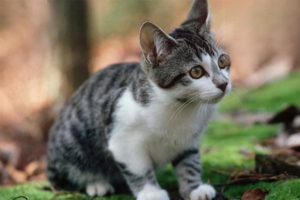
Feline Distemper: Causes, Symptoms, Incubation Period and Treatment
Feline distemper is no joke—it can take a cat's life and spread to more healthy cats, causing more to die from it. So how do cats get it, and how should feline distemper be treated?

How to Tell If Your Dog Needs More Water
As dog owners, we should know just how dangerous dehydration can be for a dog.

Patellar Luxation in Small Breed Dogs
Patellar luxation is one of the most common orthopedic issues in dogs, most common in small breeds — especially tiny dogs like Teddy, Pomeranian, and Yorkie, which very easily have congenital or acquired patellar problems. In recent years, medium and large breeds also show a rising trend. Do not underestimate it; severe cases can cause paralysis and disability.

Main Causes of Dog Shedding and How to Manage It
Because dogs have a coat, shedding is normal. But some pathological hair loss is not normal. To tackle shedding, you need to understand the common causes and symptoms.

Can Dogs Eat Eggs, Raw or Cooked
Today let's learn how dogs should eat eggs. The high protein in eggs helps a dog maintain a healthy weight. Calcium, phosphorus, and vitamin D in the yolk are essential for adult dog bone growth.