Search Results
3544 results for “when to take cat to vet”

How to Feed a Nursing Mother Cat
A mother cat loses large amounts of nutrients to her kittens while pregnant and nursing, so she needs extra protein, fat, vitamins and minerals to keep milk quality up and avoid weakness or postpartum tremors. Choose a lactation-formula cat food, feed small meals often since she moves little, and offer goat milk, nutrient paste, chicken, canned food, beef or fish broth as toppers. If she loses appetite or trembles, a vet can confirm calcium deficiency and prescribe pet calcium with vitamin D.
My cat has a membrane in its eye, with tear stains and eye discharge – what could it be?
A membrane in the eye with tear stains can be from heat, conjunctivitis, keratitis or more. Here is the first-aid and when to see a vet.

How Do Dogs Catch Heartworm?
Dogs usually get heartworm from a mosquito bite. The insect takes in tiny larvae from an infected animal, the larvae mature inside the mosquito, and the next bite passes them into a new dog, where they travel to the heart and lungs and grow into adults. It can also pass from a pregnant mother to her puppies. Prevent it with yearly testing, monthly preventive medication, and keeping the dog away from mosquito-heavy areas; treat confirmed cases with vet-prescribed drugs or surgery.

Is Grain in Cat Food Always a Dealbreaker?
Grain in cat food is not automatically a reason to reject it. Grains supply fiber, vitamins, and minerals, and most cats digest these carbs fine, so there's no need to fear them. While gluten grains carry a higher allergy risk than potato or tapioca, grain allergy is far less common than allergy to beef, dairy, or chicken. Because cats are carnivores with limited amylase, though, lower grain content is better—and a few cats should skip grains entirely.

Why Does My Cat Still Itch After Deworming?
A cat that keeps scratching after a dewormer isn't necessarily proof the product failed. Dewormers kill parasites but not skin problems, and the wrong product, wrong application, or an untreated home can all leave itching in place. Flea-allergy dermatitis, mites, dry skin, and stress can itch too. Mild scratching for a day or two may just need patience; anything longer with skin damage needs a vet.
My cat’s urine is very yellow and concentrated — what should I do?
Yellow, concentrated urine in cats is most often caused by not drinking enough water, but it can also signal urinary tract disease such as urethritis or cystitis, or dehydration from vomiting and diarrhea. If you also notice frequent urination, straining, blood in the urine, or gastrointestinal symptoms, take your cat to a veterinarian promptly.

Can cats eat cherries?
No - flesh, skin, and pit all contain cyanide; poisoning causes hypoxia and shock. Keep grapes, persimmon, avocado, citrus away too.

Why Are Your Cat’s Eyes Red?
Red eyes in cats have many causes, including injury, foreign objects, ingrown lashes, keratitis, corneal damage, and new corneal blood vessels, each needing different care. If you see redness, check for debris and rinse with saline, then use a pet eye drop; if redness comes with other signs, see a vet. Conjunctival congestion from conjunctivitis or corneal injury eases with decongestants, while deeper ciliary congestion from severe corneal damage, uveitis, glaucoma, or tumors needs diagnosis. Viral colds with eye redness also bring sneezing and discharge.

What to Do When Your Cat Loses Appetite in Summer
Hot weather can drop a cat's appetite, and so can warm or dry food, illness, parasites, moving, or household stress. Keep the environment cool and shaded, offer light wet food rather than hot meals, and place several water bowls around the home so a dehydrated cat can drink anytime. Gentle play and a clean living space help, as does adding a pet probiotic to the food. Favorite toppers like canned food, freeze-dried meat, or chicken can renew interest. If appetite stays poor, have a vet rule out disease or worms.
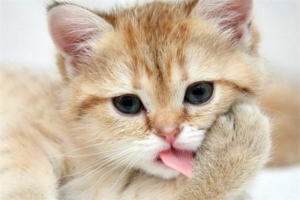
Why Your Cat’s Eyes Keep Getting Inflamed
Frequent feline eye inflammation often starts with a dirty, dusty home that lets bacteria or fungi take hold, or with injuries from branches and grass during play. Allergies to pollen, dust, or food can trigger it, and some cats are born with eyelid deformities like entropion or ectropion that invite infection. Have a vet confirm the cause and treat with medication or surgery when needed. At home, keep the environment clean, limit outdoor risks, and wipe the eyes regularly with saline to cut down on dust and bacteria.