Search Results
559 results for “wet food”

Why Does Your Dog Smell So Bad?
No matter how much you love your dog, the odors it carries can be hard to love. Many owners wonder why their dog smells, and the causes are not always obvious. A bad smell can signal a health problem, from wet-coat yeast and bacteria to ear infections, skin-fold dermatitis, gas, and impacted anal glands. Knowing where the odor comes from helps you treat the root cause instead of just masking it. Regular bathing and grooming, plus simple odor absorbers, can handle everyday smells that are not linked to illness.

Do Cats Sweat?
Yes — cats do sweat, but only a little, and not the way we do. The main exit points are the paw pads, which can leave faint damp footprints on a hot summer day, and the tip of the nose, which often feels moist for the same reason. Because this system is so limited, it cannot flush out much salt. That matters: salt a cat eats but cannot sweat out is handled by the kidneys, adding strain that can spill into urinary-tract trouble. So the old advice to keep cat food low in salt is really about those under-developed sweat glands.
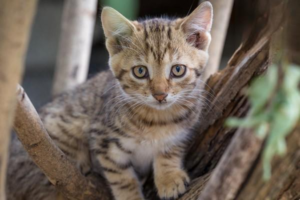
Why Are the Spaces Between My Cat’s Toes Ulcerating?
When the skin between a cat's toes starts to break down and ulcerate, the cause is usually environmental or dietary rather than mysterious. A damp living space lets bacteria flourish and lowers the skin's defenses; underlying ringworm or another skin disease can spread to the feet; small cuts from rough play can fester if left untreated; and a diet too high in salt weakens the skin from within. Identifying which of these is at play tells you whether a simple cleanup at home is enough or a veterinary visit is needed before the damage worsens.

Helping Your Cat Enjoy Bath Time
Cats don't strictly need baths, but a clingy, bed-sharing cat benefits from routine washing for hygiene. Avoid bathing kittens under 3 months, within a week of vaccines or travel/moves, or in cold weather. Prep by trimming nails a day ahead and using cat shampoo (not human—licking it can poison). Wash in a secure bathroom, wet and lather, rinse with a gentle warm spray avoiding eyes/ears, towel-dry, then use a low, quiet dryer. Build tolerance slowly: let the cat explore an empty tub with treats, then shallow water, and it may even ask for summer cool-down baths.

Essential Tips for Raising Healthy Rabbits
Rabbits are sensitive to their environment, and getting temperature, humidity, feed variety, and nighttime feeding right is essential to keeping them healthy. Their thick coat and weak sweat glands make it hard to release heat, so rabbits tolerate cold better than heat; a stuffy, humid hutch quickly leads to illness. Aim for about 20-27C, keep bedding dry, offer a varied diet instead of a single feed, and provide plenty of hay at night when rabbits are most active. These basics help prevent disease and support steady growth.

How to Soothe a Teething Puppy
Puppies feel gum pain and itchy teeth while teething, so they need help to stay comfortable and shed baby teeth normally. A frozen wet towel to chew or gently press on the gums eases pain, and chew toys or dental snacks relieve the itch and save your furniture. They need more calcium now, so offer calcium-rich food to support normal tooth change and avoid retained baby teeth. Spend extra time with the puppy to calm its restlessness, and watch for loose teeth it might swallow.

Cat Dewormers Compared: How to Choose the Right One
More than half of household cats are estimated to carry at least one parasite at some point, with fleas, roundworms, and heartworm among the most common. Regular, science-based deworming can sharply lower that risk and protect both cat and owner. This guide compares the main types of cat dewormers by their active ingredients and explains how to match a product to your cat's age, lifestyle, and parasite exposure, so you can build a safe, sustainable routine without relying on brand hype.

Wrought Iron Butterflyfish
The Wrought Iron Butterflyfish, also known as the Black Discus, is a striking marine fish with a black body covered in white-edged scales that look like sequins. Native to the northwestern Pacific, it is a beautiful but challenging species best left to experienced aquarists.
Lloyd’s Lyretail
The Lloyd's Lyretail reaches 4–5 cm and is native to East Africa. Called one of the world's most beautiful tropical fish, it is also very hard to keep, among the hardest. Sensitive to hard water, its environment must be carefully managed.

Yellow Butterflyfish
The Yellow Butterflyfish is mainly found in the Red Sea and Gulf of Aden, living in coral reefs at 3–20 m depth. Its beautiful appearance and easy care make it popular with aquarists.