Search Results
559 results for “wet food”

Why Dogs Get Picky in Spring (and What to Do)
Spring warmth spoils food fast and the mating season dulls appetite, so picky eating in dogs often points to gastritis, poor digestion, too many treats, parasites, or a cold. Rule out illness first, then tighten up diet, deworming, and warmth.

Complete Summer Pet Care Guide
Summer raises five common risks for pets, heart trouble, colds, skin disease, heatstroke, and stomach upset, so manage exercise, cooling, and food hygiene carefully. Keep water available, avoid midday walks, and never leave a pet in a parked car.

What to Do When Your Dog Won’t Eat in Summer
Summer heat saps a dog's appetite for many reasons, illness, stale food, weather, mood, or estrus, so cool it down before worrying. Bathing, AC, and shade help, but avoid overcooling and never shave a healthy coat, which raises skin risks.

Fun Facts About Dogs You Might Not Know
Dogs sleep 10–15 hours (puppies ~20), run a 37.5–39°C temperature by size, live about 12 years, and have 42 teeth with 5 front and 4 hind toes. They're red-green colorblind, smell far better than they taste, and can feel anxiety and depression when neglected.

What Snacks Can You Give a Cat?
Healthy cat snacks round out the vitamins and minerals a single dry diet can't supply, and the best ones please the palate while adding nutrition and moisture. Good choices include lactic-acid-bacteria pouches, gravy toppers, wet-food sachets, and freeze-dried training treats.
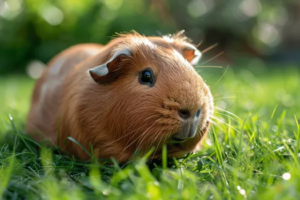
Chinchilla: Yellow Fur on the Rump — What to Do, and Can You Bathe It?
Yellow fur on a chinchilla's rump usually comes from urine stains or damp fur that oxidized, and if bad it can inflame the skin. Wipe with a warm towel, trim what will not come clean, or use a dust bath to fade it — but do not wash a chinchilla with water: the stress can drop immunity and even prove fatal, the dense coat stays wet and invites skin disease, and the natural protective film is stripped away. Keep the cage bottom dry, and simply yellowed fur is harmless.

Dog Sneezing and Runny Nose
Sneezing and a runny nose in dogs usually mean a chill or a common cold, but in puppies or unvaccinated dogs they can be the first signs of distemper or parainfluenza. At home, keep your dog warm, offer easily digestible food and plenty of water, and check its temperature regularly. If a fever develops, see a vet promptly rather than waiting it out.

What to Do When a Kitten Catches a Cold
Kittens catch colds easily from seasonal changes or contact with sick cats, and the smallest ones have the weakest immunity. Watch for a dry, warm nose, sneezing, coughing, runny eyes, and loss of appetite, then check the temperature, adjust the diet, encourage sunlight and ventilation, and use cold medication as needed.

Preventing Dog Skin Problems in the Rainy Season
Warm, wet weather lets bacteria, fleas, and mites breed in a dog's coat, and damp fur after rain or baths is a top trigger for itch and inflammation. Four moves keep skin healthy: avoid rain, dry paws and coat after walks, keep the home below 50–60% humidity, and bath or dry-clean thoroughly — watch for red patches, scabs, or constant scratching.

Can Feline Infectious Peritonitis Be Cured? How to Prevent It
FIP comes from a mutated coronavirus and appears as wet (ascites) or dry (eye/seizure) forms; diagnosis needs more than fluid alone. Treatment is supportive care plus antivirals, while prevention hinges on a clean environment and strong immunity. Despite the name, it isn't passed directly between cats.