Search Results
4362 results for “weight”

What Are the Symptoms of Gastroenteritis in Dogs
A dog's gut is sensitive, and tainted or raw food can trigger gastroenteritis — vomiting and diarrhea are the hallmarks, while the hemorrhagic form with blood in the stool is an emergency. A low-fat, easily digested diet and gradual food changes are the best prevention.

How to Reduce Shedding in a Ragdoll Cat
Ragdolls are long-haired and shed year-round, with a heavy blowout as kittens around three to four months. The fix is mostly daily grooming, a coat-friendly diet, and infrequent proper bathing — and a vet check if the coat suddenly thins.

What to Do About Heavy Shedding in a Pomeranian
Pomeranians shed heavily, but daily brushing, sensible bathing, sunlight, and a low-salt diet keep the coat healthy and the fur where it belongs. Most shedding is manageable at home, with a vet check if the skin itself looks unhealthy.

What to Do When a Kitten’s Eyes Are Crusted Shut
Heavy eye discharge that mats a kitten's eyes usually means irritation from diet or a bacterial infection such as conjunctivitis. Lighten the food, keep the eyes clean, and use vet eye drops if redness appears — and see a vet if it will not clear.

Teddy Dog With Diarrhea, No Appetite, and Lethargy
A Teddy's sensitive stomach is easily upset by overfeeding, cold, or parasites, and the result is diarrhea with lost appetite and low energy. Controlling portions, keeping the dog warm, regular deworming, and gut-supporting supplements are the backbone of recovery.

What to Do When a Teddy Puppy Has Diarrhea
Teddy puppies have delicate stomachs, and diarrhea usually follows a scrap of human food or an overly rich diet. Pull back to a short fast, rebuild the gut with bland meals and probiotics, and pick an easily digested food fed in small portions.

What to Do When a Nursing Kitten Has Diarrhea
A young kitten's gut is fragile, so diarrhea usually traces back to the wrong food, weak digestion, or parasites rather than anything that needs medicine right away. Settle the stomach with the right feeding, add probiotics, and let a vet rule out worms before reaching for drugs.

Why Does My Cat Keep Tearing Up? Causes and What to Do
Constant tearing in cats is rarely about emotion — it usually points to dust, diet, infection, or breed anatomy. Flat-faced cats are built to tear more, and most cases respond to gentle cleaning, but persistent redness or discharge means a vet visit.
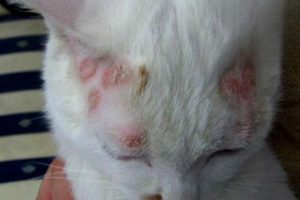
What to Do About Ringworm on a Kitten’s Ears
Ringworm on a kitten's ears shows up as scaly patches and local hair loss, and the itch drives the kitten to scratch and hurt itself. Isolate the cat, clean the spots, and support its immunity — and use an Elizabethan collar so scratching does not make things worse.
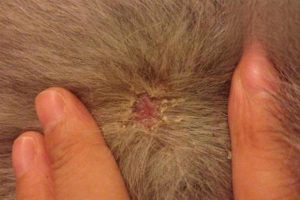
What to Use for a Puppy With a Mite Infection
Mites are among the most common causes of dog skin problems, and they spread easily through dirty surroundings or play with other dogs. Treatment combines environmental disinfection, the right topical or ear medication, and immune support — with a vet visit for anything severe.