Search Results
730 results for “weather”

Can Dogs Get Fevers?
Dogs absolutely get fevers, from a chill or strep to pancreatitis, distemper, or parvo. Never just dose with fever pills; find the cause with a vet, since puppies often have an infection behind the fever.
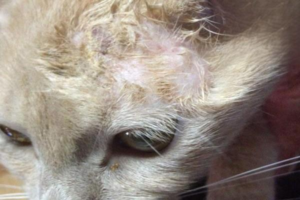
How to Make Ringworm (Cat Fungus) Heal Faster
Cat ringworm is a common fungal skin disease, usually from poor grooming and a dirty environment, causing intense itching and patchy hair loss. Treatment combines shaving and medicated baths with topical antifungals and oral medication for faster recovery. Prevention hinges on cleanliness, sunlight, good nutrition, and not over-bathing.

How to Treat Skin Disease in a Poodle (Teddy)
Poodles have dense, curly coats that trap moisture and parasites, making them especially prone to mite-driven skin disease in hot weather. Red, itchy bumps, hair loss, and constant rubbing against furniture signal infection. Treatment pairs a topical parasiticide with an oral dewormer, plus a medicated ointment for severe cases, and omega fish oil to aid coat recovery.

How to Treat Red Bumps on a Labrador
Red bumps on a Labrador usually come from mites, fungal infection, vitamin deficiency, or poor coat care — not random, and good hygiene prevents most. Treat the specific cause, feed a bland diet, keep the dog cool and the environment disinfected, and see a vet for widespread bumps.

What to Do When Your Dog’s Skin Is Ulcerating and Oozing
Skin disease can progress to ulceration and oozing—often pyoderma—if left untreated, leaving a dog miserable and off its food. Clip and disinfect the spot, apply vet-prescribed medication, and prevent recurrence through parasite control, dryness, and a clean environment. Prevention beats cure.

How to Treat Mite Skin Disease in Dogs
Mite skin disease keeps coming back because the mites live in the environment as much as on the dog. Treatment means medicating the affected spots, deep-cleaning the home, and boosting the dog's immunity—prevention through diet, parasite control, and limited contact with strays is what stops recurrence.

Why Your Dog Keeps Scratching Its Ears
Frequent ear scratching usually points to an ear problem—most often ear mites, a fungal infection, or a foreign object lodged in the canal. Spotting the signs early prevents a minor itch from becoming a painful infection or even hearing loss.

What to Do When Your Golden Retriever Has a Runny Nose
A runny nose in a Golden Retriever can come from something as simple as a nasal irritant or a seasonal cold, or from something more serious like pneumonia. The right response depends entirely on the cause, so matching the treatment to the trigger matters more than reaching for any one medication.

How Long Does a Dog’s Cold Take to Heal?
A dog cold usually clears in one to two weeks with warmth, good nutrition, and the right medication — faster with clinic injections. The recovery clock depends on the dog's own immunity, and a cold must not be mistaken for distemper.

Why Does My Dog Keep Vomiting?
Frequent vomiting in dogs usually points to gastroenteritis, parasites, or heatstroke rather than a one-off upset. Match the pattern to the cause, keep up with deworming and summer safety, and treat persistent vomiting with blood or diarrhea as an emergency.