Search Results
107 results for “watermelon”

How to Stop Your Dog From Peeing Everywhere
A dog treats the whole world as its toilet, but at home that is unacceptable - and scolding alone never works because the dog simply does not know. Inappropriate urination has many roots: territory marking (common in adult males), no house-training, revenge moved to the sofa after being yelled at, unclear home boundaries, attention-seeking, fear from abuse, post-neuter incontinence, or illness. The fix is patient positive training: indoor spot training, outdoor training, and never hitting the dog. Holding urine over eight hours harms the kidneys, so leash up and clean up on walks.

Fruits and Vegetables Dogs Should Not Eat
Safe in moderation: apple (no seeds), banana, blueberry, watermelon (seedless). Neutral but unnecessary: cantaloupe, kiwi (peeled), peach/plum/pear (no pits), lychee (no pit) — all sugary. Avoid or dangerous: grapes (acute kidney failure, can kill), macadamia (neuro/muscle, life-threatening), mango, cherry (pit), avocado (persin), pineapple, guava, lemon, star fruit (kidney), sugarcane (chokes). Vegetables: good—carrot, broccoli, bitter melon, pumpkin, sweet potato; always cooked/plain and small.

Caring for Rabbits in Summer
Summer's heat makes rabbits harder to keep healthy, without care they risk heatstroke, nutritional disease, and infection, so managing nutrition is key. Offer cooling feeds like bitter melon or watermelon rind to ease heat stress and lift appetite. Probiotic supplements help prevent digestive illness, calm heat stress, and cut hut odor and respiratory risk. Although heat lowers intake, don't cut energy too far; add fat to keep energy steady. Above all, always provide free access to fresh water.

Why Do Guinea Pigs Eat Their Own Droppings?
Guinea pigs eating their droppings is normal, since the stools still hold nutrients they reabsorb, and the process also supplies probiotics. Still, it is best to discourage it. Control portions so food is fully digested and fewer nutritious stools are passed, and clean the cage right after they defecate to remove the chance. Feed a balanced mix of pellets, hay, greens, and fruit, and note guinea pigs cannot make their own vitamin C, so include vitamin-C sources daily.

Summer Care Tips for Hamsters
Hamsters have weak immunity and get sick easily with temperature swings, so summer care must cool them without letting them catch cold. Place the cage in a shady, airy spot with cooling mats, and if you use air conditioning keep it around 27°C with paper cotton for warmth, or use a fan that does not blow directly on the pet. Keep the diet light: normal hamster mix plus cooling foods like mung beans, watermelon, cucumber, or a little chamomile water, and always provide fresh water changed daily. Clean the cage and change bedding twice a week to limit bacteria.

How to Prevent Heatstroke in Hamsters During Summer
All hamsters hate heat, so in summer, without proper cooling, they can quickly suffer heatstroke. Early signs are frantic running, excitement, and jumping; as it worsens, tremors, dehydration, and coma follow, and death can come fast without prompt first aid. Move the cage to a cool, airy spot, give plenty of water, and act at the first sign by cooling the environment and offering electrolyte fluid. Prevention means ventilation, constant fresh water, cooling tiles, and light, hydrating foods like cucumber and watermelon.
What fruits can dogs eat?
Many fruits are safe for dogs - apple, watermelon, strawberry, orange, papaya, blueberry, cherry, pomelo, cantaloupe, durian, banana - but never grapes or avocado, and limit plum, mango, apricot, cherry, and sugarcane. Keep portions small to avoid diarrhea, and skip anything chilled, since cold fruit upsets the gut.
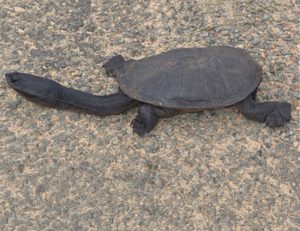
Narrow-breasted Snake-necked Turtle
The Narrow-breasted Snake-necked Turtle inhabits small coastal rivers, wetlands, or swamps, is strongly aquatic, and can bury into bottom mud. It is fully aquatic, even hibernating and mating in water, with females coming ashore only to lay eggs.
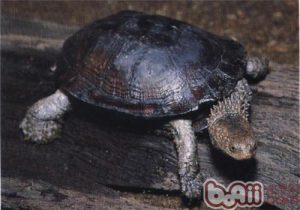
Chaco Side-necked Turtle
The Chaco Side-necked Turtle is a turtle of the genus Acanthochelys, first found in Argentina, Paraguay, and Bolivia. Because side-necked turtles are taxonomically complex, identifying species by appearance alone is difficult, and the Chaco Side-necked Turtle is neither widespread nor commonly seen in the market.

Pseudemys alabamensis (Alabama Red-bellied Turtle)
The Alabama red-bellied turtle is a small to medium aquatic turtle with a carapace 35–45 cm long. Hatchlings are vividly colored, but in the wild adults become dull and grayish-black; captive-bred individuals can retain their bright coloration.