Search Results
316 results for “water training”
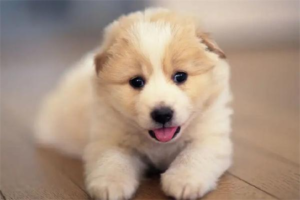
Why Is My Dog Peeing in the House?
A dog that urinates indoors may be in heat, untrained, marking territory, stressed by a broken routine, seeking attention, acting out, aging, over-excited, or suffering a urinary infection. If accidents come with other symptoms such as blood in the urine, a vet visit is needed.

What Should First-Time Dog Owners Prepare?
First-time dog owners need three kinds of readiness: mental (patience for barking, accidents, and shedding, plus daily time to walk and play), supplies (food, bowls, bed, leash, ID, grooming and cleaning gear, toys, a basic first-aid kit), and know-how (local licensing, basic training, home safety, and routine deworming, vaccines, and grooming).
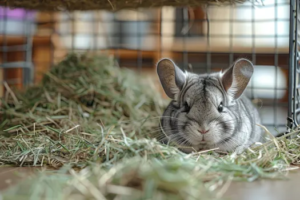
Hamster Heatstroke: First Aid
Hamsters are heat-sensitive and can die from heatstroke in high temperatures. Move a stricken hamster to a cool spot, wrap it in a damp (not ice-cold) cloth to cool it down, then offer saline or glucose once it recovers a little to restore energy.
How to Comfort a Cat After It Gets Scared
Move a scared cat to a quiet, enclosed space (a bedroom or carrier) with its familiar blanket and toys, close doors and curtains, and use a pheromone spray. After it settles, crouch about a meter away, offer a finger for it to sniff, then pet the forehead or chin. Keep the home calm for 24 hours. Watch for signs of true stress — not eating, vomiting, or straining to urinate — and see a vet if they appear.

Why Is Your Dog’s Stool Dry and Came Out in Pellets?
Healthy dog stool is a soft, formed log; dry, pellet-like droppings usually mean the gut is short on water. Common triggers are low water intake, a diet too high in protein, fat, or fiber, slow digestion, a dry environment, low activity in seniors, or drug side effects. Left alone it can lead to constipation, so boost hydration and add fiber-rich pumpkin or banana to keep things moving.
Honest Talk: Why a Labrador Retriever May Not Be the Right Dog for You
Labradors are among the most popular dogs, but they are highly excitable — they bolt, jump on people, and mature late, needing patient training over a longer time. Because they aren't aggressive and trust strangers, they can be led away if not watched. Adult Labs are true medium-energy sporting dogs needing at least 1.5 hours of hard exercise daily, so they don't suit owners short on walk time. They're also prone to hip and elbow dysplasia, inherited cataracts, and obesity — be prepared.
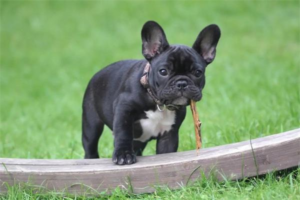
What Types of Dog Collars Are Available?
Choosing the right collar matters for every dog owner, both for safe daily walks and your dog's comfort. The market offers a wide variety of options—leather, nylon, metal chain, buckle, harness-style, studded, and even GPS-tracking collars—each designed with distinct advantages. Leather collars are durable and attractive but not water-resistant; nylon is light, washable, and adjustable; chain collars suit strong pullers yet require gentle handling; buckle collars grow with puppies; harness collars are cute and reduce strain; studded collars deter escapes; and GPS collars help recover a lost pet. Matching the collar to your dog's size, breed, and behavior—along with your own preferences—ensures both safety and comfort.
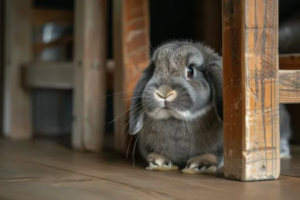
Is Your Rabbit’s Red Urine Always Blood?
Red urine in a rabbit is not always blood. Eating pigmented foods like carrot or beet can tint it light red or orange with normal behavior, and some medicines such as vitamin C or iron can do the same. True bleeding comes from a urinary infection or stones, giving a dark red or brown color along with straining, frequent urination, or low output, which needs a veterinarian. Prevent problems with a balanced diet, plenty of water, a clean cage, and regular checks of the urine.

What to Do When Your Rabbit Misbehaves
Rabbits will misbehave from time to time, and when they do, owners should respond correctly without harsh punishment or scolding. Learn your rabbit's temperament and behavior, understand the cause, and guide it toward better habits. Providing a good living environment, setting behavior boundaries, building routines, and ensuring regular exercise and social contact keep a rabbit calm and reduce problem behavior.
Why Is My Dog in Pain When Urinating?
When a dog shows pain while urinating, the cause is usually a problem in the urinary tract, such as a urinary infection, bladder stones or crystals, or a blockage. Along with painful urination, you may notice frequent or urgent attempts to urinate, straining, reduced output, blood in the urine, cloudy or pus-like urine, or a complete inability to pass urine. Because these conditions can quickly become serious, any sign of painful urination means your dog should be seen by a veterinarian promptly. Diagnosis may involve urinalysis, X-rays, ultrasound, or other tests, and treatment is chosen according to severity, ranging from relieving a blockage and catheterization to medication or surgery.