Search Results
316 results for “water training”
How to get a Golden Retriever to cooperate with bathing?
Some dogs fear water, so train beforehand: stand on wet ground, get used to water and shower sounds, and being lathered/rinsed. Prepare all supplies (shampoo, conditioner, towels, mat, dryer) beforehand. Keep water at 36-38°C. Reward with treats or toys during the bath for cooperation.
How can I make a dog like me?
To make a dog like you takes time and patience to build trust. First, don't rush to approach a new dog; let it adapt to the new environment and your presence, then build contact gradually. Provide food and water to show kindness, and once it adapts, play, pet, and talk with it to grow your bond. Proper training also helps.
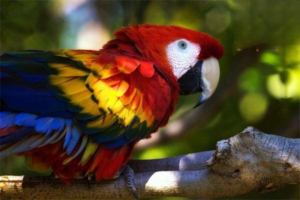
What Are the Advantages of the Sun Conure?
As one of the best-value parrot species, what makes the Sun Conure so appealing? Why do so many people adore it? Today our team introduces its advantages.

How to Reduce Your Guinea Pig’s Odor
Guinea pigs cannot be bathed often, yet odor builds up if they are not cleaned. Cut smell by feeding low-protein pellets, litter-training in a corner toilet, cleaning the cage daily with absorbent bedding, using pet deodorizers or gut supplements, and giving an occasional warm-water bath.

Why Your Budgie Screams at Night and How to Stop It
Budgies are diurnal and normally settle down at night, so persistent screaming after dark usually signals stress, hunger, or a disrupted routine. Common triggers include fright, an off schedule, nighttime noise, and an unstable perch. You can quiet a noisy bird by fixing its light and quiet, offering food and water before bed, and using calm, consistent training.

What to Do When a Parrot Has Crop Stasis, and Can It Digest on Its Own?
Parrots digest slowly and crop stasis is common; it generally will not resolve on its own—especially in chicks, whose digestion is weaker. Left untreated it causes vomiting and death. Treatment means withholding food and water, giving yeast tablets or dissolved digestive enzymes, keeping the bird warm, and, for severe cases, suctioning the crop with a tube—plus vet care if it does not improve.

Guinea Pig Housing: Cage vs. Free-Roam
Guinea pigs can be kept in a cage or allowed to roam free, each with trade-offs. Caging is easy to manage but can be noisy; free-roaming builds closeness but risks messes. Either way, litter-training and proper basics—hay, pellets, water, hideouts—make care easier.

Why Dogs Bark Every Morning
Dogs usually bark first thing in the morning because they are hungry, thirsty, or need to relieve themselves after a night's wait. Establishing a fixed feeding and walking routine, plus teaching a puppy to use a designated potty area, prevents this from becoming a habit. Attention-seeking barking should be ignored until the dog settles.

How Long Can a Parrot Survive Crop Stasis, and How Is It Treated?
Crop stasis (also called crop impaction) in parrots is often caused by a blockage below the crop or by slow digestion, and if left untreated a parrot—especially a chick—usually survives no more than about three days. Prompt care includes withholding food and water, giving probiotics, and, for severe cases, clearing the crop with a syringe and tube or seeking veterinary treatment.

Oriental Shorthair
The Oriental Shorthair is a distinct breed, unexpectedly produced by breeders while developing another cat. They wanted a pure-white Siamese, so crossed Siamese with pure-white cats, producing today's Oriental. Though born in 1962, it was recognized as a new breed in 1972. Its appearance is close to the Siamese but differs greatly in coat color.