Search Results
943 results for “water bath”
I bathed the dog at noon the day before yesterday; the next day it was listless, ate one meal that it vomited undigested, and today it’s throwing up yellow fluid, has diarrhea, curls in a corner, and occasionally drinks but won’t eat.
If a dog isn't fully vaccinated, its immunity is weak and bathing can lower resistance or trigger latent viruses. Given vomiting, diarrhea, poor appetite, and lethargy, consider distemper or coronavirus, though mild digestive issues, chills, or parasites can also cause this (usually with better energy/appetite). Keep it warm, withhold food and water, give probiotics, and if no improvement see a vet for virus tests, blood work, and fecal exam.
Why doesn’t my dog like baths?
Dogs dislike baths for many reasons. First, bathing is an unpleasant experience — wet fur becomes heavy and uncomfortable. Also, shampoos and body wash have strong smells that can irritate them. In addition, they may fear the sound of running water or bath noises, making them uneasy. To help, let them get used to water beforehand, use dog-specific shampoo, and give enough security.
My dog whimpers and rolls on the ground after a bath; what is wrong?
Rolling after a bath with whimpering may mean water in the ears it is trying to shake out, or discomfort from not being dried, or dislike of the shampoo scent. If the rolling looks relaxed and happy, it may just be releasing joy, though that is rarer.
How to get a Golden Retriever to cooperate with bathing?
Some dogs fear water, so train beforehand: stand on wet ground, get used to water and shower sounds, and being lathered/rinsed. Prepare all supplies (shampoo, conditioner, towels, mat, dryer) beforehand. Keep water at 36-38°C. Reward with treats or toys during the bath for cooperation.
My turtle has pneumonia and is vomiting blood; I gave some amoxicillin and soaked it in amoxicillin water for half an hour, but it vomited blood again tonight—what now? Very urgent!
Pneumonia with blood vomiting likely means internal injury, GI ulcer, and acute pneumonia; take it to an exotic-animal vet. If unavailable, for suspected acute pneumonia, add cephalosporin or amoxicillin to water for a medicated bath, and give hemostatic medication if vomiting is frequent. This is critical—seek a capable hospital.
This morning when I took him out I saw a pool of red liquid near his testicles, and afterward red bloody fluid comes out when he uses the bathroom.
Your hamster likely has blood in the urine. Causes include too many red foods, excess vitamin C, urinary tract infection, or drug/food-induced hemolysis or nephritis. If he is otherwise energetic, change the diet first; if it's an infection, use pet anti-inflammatory medication.
How to Help a Kitten Not Fear Baths?
Fear of baths is natural for cats, but you can reduce it: before bathing, let the cat play in the bathroom and give treats to relax it, and prepare warm water, pet shampoo, and towels within reach.
What Happens If You Bathe a Rabbit?
Rabbits are sensitive and timid, and bathing can cause stress leading to shivering, poor appetite, and lowered immunity, then colds and stomach upset. Their sensitive skin can also be damaged by frequent baths or harsh shampoos.
What happens if I bathe a one-month-old puppy?
It may catch a chill—runny nose, sneezing, shivering. Frequent baths damage the skin barrier, causing shedding, itch, scaling. Bathe only after vaccines unless very dirty; use warm water, pet shampoo, dry thoroughly.
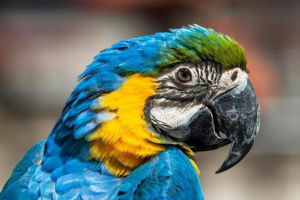
How to Bathe Your Parrot
In summer, without regular baths, parrots develop a strong odor. Owners dislike a smelly pet bird, so bathe them regularly. For beginners, our team shares bathing tips and methods.