Search Results
361 results for “warmth care”

Pseudemys alabamensis (Alabama Red-bellied Turtle)
The Alabama red-bellied turtle is a small to medium aquatic turtle with a carapace 35–45 cm long. Hatchlings are vividly colored, but in the wild adults become dull and grayish-black; captive-bred individuals can retain their bright coloration.
Emydura australis (Australian Big-headed Turtle)
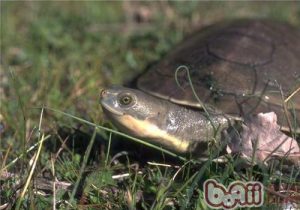
The Australian big-headed side-necked turtle is carnivorous and lives in shallow water, aestivating in pond mud during the dry season. In the wild it consumes large numbers of mosquito larvae, making it beneficial to people, though it is rare and its trade is strictly controlled.
Indian Roofed Turtle
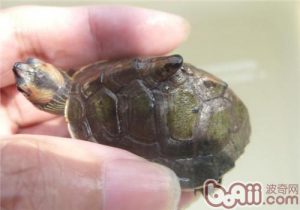
The Indian Roofed Turtle (Kachuga tecta) is one of the more common roofed turtles, recognizable by the distinctive raised black keel on its shell. Native to the rivers of the Indian subcontinent, it is a timid aquatic turtle that can enter hibernation.

Hilaire’s Toadhead Turtle
Hilaire's Toadhead Turtle (Phrynops hilarii) is a side-necked turtle in the toadhead genus, strongly affected by ambient temperature and closely tied to it in behavior. Delicate and hard to keep in captivity, it is not recommended as a first turtle.

Travancore Tortoise
The Travancore Tortoise (Indotestudo travancorica) closely resembles the Burmese Star Tortoise in appearance and shares its preference for a dry habitat. Though sometimes considered a subspecies of the Burmese tortoise, this has never been confirmed; it is a shy, inactive tortoise suited to simple husbandry.

Stripe-necked Leaf Turtle
The Stripe-necked Leaf Turtle (Cyclemys tcheponensis) has a broad distribution and healthy wild populations, and even wild-caught individuals adapt well to human care. A semi-aquatic species, it favors shallow water adjoining land; adults prefer fruit while juveniles lean toward meat.

Dog Panting After a Few Steps? Don’t Ignore Heart Trouble
A dog that pants heavily or struggles to breathe after only a short walk may be signaling heart disease rather than mere old age or extra weight. Key warning signs include a sudden drop in stamina, labored breathing at rest, blue-tinged gums, nighttime coughing, and lethargy. Early veterinary diagnosis and daily heart-care management can dramatically slow progression and extend your dog's life.

Joint Contusion in Dogs and Cats: Symptoms, Treatment, and Prevention
A joint contusion is blunt injury to a joint and its surrounding tissues from a fall, blow, impact, or crush, causing bleeding under the skin, swelling, and pain worse than a simple sprain. Care combines sprain management with wound treatment for any scraped skin, plus rest and anti-inflammatories.

Joint Sprain in Dogs and Cats: Symptoms, Treatment, and Prevention
A joint sprain is overstretching or twisting of a joint beyond its normal range from a jump, fall, or sudden turn, causing pain, swelling, heat, and lameness. Early cold packs and later warmth with anti-inflammatory medication settle the inflammation; chronic sprains can thicken the joint capsule and form bone spurs.

Tendon Rupture in Dogs and Cats: Symptoms, Treatment, and Prevention
Tendon rupture is a break in the continuity of a tendon, most often a flexor or the Achilles, from sudden overstretching, bone disease, or a cutting wound. It causes a flaccid, painful gap with loss of function - a flexor rupture stops weight-bearing, an Achilles rupture drops the hock. Closed tears are rested; open tears need surgical repair.