Search Results
361 results for “warmth care”

Why Is My Parrot Having Diarrhea, and What to Do
Parrot diarrhea is usually diet or disease. Mild diet cases self-heal or take probiotics; disease cases - salmonella, E. coli, Newcastle, enteritis, chlamydia - need the right drug and isolation. When unsure, try garlic water and warmth, then oxytetracycline, and ask a vet.

Why Does My Dog Ignore Me?
A dog may snub you because it does not know you yet, has not learned its name, is in a bad mood, is naturally aloof, or is unwell. Build the bond with time and training, and check for illness if the snub is sudden.

Why Won’t a Kitten Stop Meowing?
A kitten meows to signal fear, hunger, discomfort, or illness. Young kittens are fragile and hide little, so read the signal early: warm and soothe a scared one, feed an unweaned one, and check the body when crying starts suddenly.
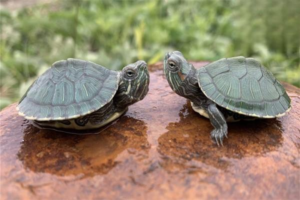
Symptoms and Treatment of Pneumonia in Turtles
Turtle pneumonia appears in stages: early runny nose and lethargy, middle loss of appetite with open-mouth breathing, late blocked nostrils and sideways floating. Treat with warmth (28–30°C / 38–40°C keeping), azithromycin or amoxicillin baths, and tube-fed medication; see a vet if there is no improvement.
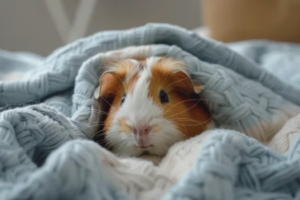
What to Do When Your Hamster Has Diarrhea
A hamster's gut is delicate, and diarrhea can turn fatal fast without prompt care. Causes include too much watery food, poor hygiene and stress, cold weather, or allergies. Treat by cutting juicy foods and adding probiotics, warming the cage, or removing the allergen; keep the environment dry and ventilated.

Things to Know About Keeping Parrot Fish
Parrot fish are striking, but without careful keeping they fade, lose their shine, or fall ill. Cover six basics: clean water, stable warmth, the right feeding, a quiet spot, some light, and plenty of oxygen.
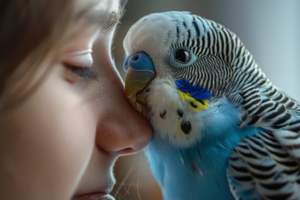
How to Deal with Black Veil (Darkening) on Blood Parrot Fish
A black veil on blood parrot fish can come from temperature swings, fright, or black spot disease. Identify the cause and treat it with stable warm water, salt, or medication.

Is My Chinchilla Dead If It Has Gone Stiff?
A chinchilla that suddenly goes stiff and motionless worries many owners, but stiffness is not always death. The common causes are low blood sugar, heatstroke, cold (entering a dormant state), and injury. Most are reversible with warmth, glucose water, cooling, or veterinary care—so check before assuming the worst.

Parrot Pneumonia: Symptoms and Treatment
Parrot pneumonia often follows untreated colds or arises from dirty, pathogen-heavy environments. Signs include lethargy, loss of appetite, breathing difficulty, and shivering. Treatment focuses on warmth (22-25 C), clean housing, supportive care, and antibiotics such as gentamicin for serious cases.

Parrot Cold: Symptoms and Treatment
Parrots get colds from sudden temperature swings or drafts after bathing, showing lethargy, runny nose, and sneezing. Clean the nostrils, move the bird to warmth, and use bird-safe cold medicine; severe blockage can suffocate, so treat early. Note parrot colds can spread to humans.