Search Results
416 results for “vitamin deficiency”

What Causes Cat Bad Breath
A healthy cat's mouth smells faintly of fish or food, never foul. Lasting odor means trouble: soft food and cans cause cavities and tartar, digestion issues and oral infection add smell, and B-vitamin deficiency is a culprit. Watch for dirty teeth, drooling, or gum pain, brush young, and see a vet for diagnosis and treatment.

Trigeminal Nerve Paralysis in Dogs and Cats
Trigeminal nerve paralysis leaves the eye, upper, and lower jaw branches partly or fully numb, causing lost corneal reflex, a dropped jaw, protruding tongue, and difficulty eating. Tumors, abscesses, inflammation, distemper, contusion, or B-vitamin deficiency can be responsible.
My cat was sleeping, suddenly jerked awake, fell, and had a seizure — why?
A cat that wakes, collapses, and convulses may have neuritis from intense nerve-muscle pain. See a vet to find the cause; neuritis is often from vitamin deficiency, so supplement alongside treatment.

How to Treat Red Bumps on a Labrador
Red bumps on a Labrador usually come from mites, fungal infection, vitamin deficiency, or poor coat care — not random, and good hygiene prevents most. Treat the specific cause, feed a bland diet, keep the dog cool and the environment disinfected, and see a vet for widespread bumps.
Guinea Pig Care Basics
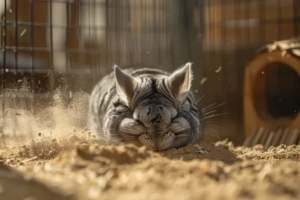
Guinea pigs are rodents, not pigs, and need steady warmth around 20°C, a dry enclosed pen with hideouts, and daily cleaning. Feed a balanced mix of dry staples (corn, sorghum) and vegetables or fruit, little and often. Watch for vitamin-deficiency swelling and stress-related bald patches, and isolate and treat any sick animal promptly.

Winter Care for Rex Rabbits
Winter's cold, short days, and scarce greens threaten rex rabbits with illness and poor breeding, so hold the barn above 10°C (below 5°C is life-threatening), keep it dry and ventilated, add light, and warm kits. Feed more energy-rich food — roughly 23–25% of the diet — with nighttime meals at 60% of daily intake and some carrot or greens to avoid vitamin lack.

Mouth Ulcers in Rabbits
Rabbits with mouth ulcers develop small blisters, red swollen gums, drooling, and bad breath, and the pain makes eating difficult. Softening the diet, keeping the mouth clean, and offering chew toys to wear down overgrown teeth all help the ulcers heal. Because a rabbit's teeth grow continuously, unchecked overgrowth can lacerate the oral tissue and trigger the ulcers in the first place.

Treating Your Dog’s Skin Condition at Home
Dog skin problems trace back to bacteria, fungi, mites, vitamin gaps, or poor grooming, all worsened by low immunity. At home, clean the area, apply the right antifungal or antibacterial ointment, and add oral antibiotics or B vitamins for serious cases.

What Cat Ringworm Looks Like at the Start
Cat ringworm is a contagious fungal infection that can pass to people, especially kids, the elderly, and pregnant women. Early signs are rough coat, patchy hair loss with scaling, and itching; treatment means isolation, nutrition, topical sprays, and vet care for severe cases.

Feline Stomatitis: The Complete Guide
Feline stomatitis is a painful, relapsing inflammation of the whole mouth — gums, oral mucosa, and pharynx — driven by an over-active immune response to plaque and viruses like calicivirus. Signs run from foul drooling and weight loss to a cat that stops grooming and hides in pain; treatment pairs steroids and antibiotics with dental cleaning, and extracting the premolars and molars resolves or greatly eases symptoms in roughly two-thirds of cats.