Search Results
416 results for “vitamin deficiency”

What Happens When Dogs Eat Unevenly?
Feeding a dog unevenly, with stretches of hunger followed by overeating, harms its health and happiness. A dog's digestive system needs steady nourishment; frequent starvation and binging strain it, causing indigestion, vomiting, or diarrhea. Long-term nutrient gaps can slow development, weaken immunity, and invite chronic disease, while the starve-binge cycle destabilizes weight. To keep a dog healthy, feed on a consistent schedule, keep portions balanced, and always provide fresh water.
How to Choose a Cat Food Flavor Your Cat Will Love
The cat-food aisle is overwhelming, but the best choice meets both your cat's health needs and their natural preferences. Cats are born meat-eaters and famously love fish, because fish supplies the amino acids they cannot make themselves—deficiency causes rapid weight loss and failing vision. This article explains why fish-based and poultry recipes appeal to cats, what nutrients (vitamin A, taurine, quality protein) support skin, coat, and eyes, and how to read labels to pick a complete, balanced food your cat will actually enjoy.
The Six Essential Nutrients Every Cat Needs
Like all mammals, cats need six nutrients to stay healthy: protein, carbohydrates, fat, minerals, vitamins, and water. Except for water, these must come from a balanced cat food rather than being offered separately. Each nutrient plays a distinct but interlocking role—protein builds and repairs tissue, fat supplies concentrated energy, and vitamins support everyday function. This article explains what each nutrient does, why animal protein suits cats best, and a key caution: raw fish and raw meat can rob cats of vitamin B1 and invite parasites, so always cook them and choose a complete, well-labeled commercial diet.

4 Things You’re Missing If Your Dog Has Bad Breath
A dog's bad breath is not normal—it often means disease. Leftover food builds bacteria that cause tartar, periodontal disease, and can spread to the liver, heart, and kidneys. Keep the mouth healthy with four habits: brush one to two times a week using pet toothpaste (human toothpaste can poison if swallowed; water and a pet brush work too); check teeth regularly and see a vet for serious issues; give chew toys and dental treats to wear teeth; and feed a balanced, mostly dry diet with supplements for micronutrients (deficiency causes mouth ulcers). About 80% of dogs without dental care develop oral disease by age three—prevent early.

Should You Reattach a Cat’s Lost Whisker?
A cat losing whiskers isn't something to glue back—whiskers can't be reattached, and usually they don't need to be. Shedding is normal with age (older cats' whiskers whiten, break, and fall as metabolism slows) and during growth (kittens lose and regrow them along with coat and teeth). The real worry is disease: skin infections (bacterial or fungal) and nutritional or metabolic disorders can also make whiskers fall. If loss comes with skin problems or you suspect a deficiency, act early—supplement vitamins and minerals, adjust the diet, check the skin, and consider fish-oil coat support.

Ten Foods That Are Toxic to Cats
Cats are curious eaters, and many common human foods are dangerous for them. This list covers ten items to keep away from your cat: grapes and raisins (kidney failure), chocolate (a toxin that hits the digestive system, nerves, and heart), caffeine, too much organ meat (calcium deficiency and mobility problems), tomato leaves and stems, mosquito-coil liquid (a surprising summer respiratory hazard), fish bones (choking and perforation), onions and leeks (red-blood-cell destruction), persimmon seeds (blockage and enteritis), and raw seafood (vitamin B deficiency and hind-leg paralysis). Knowing these helps you prevent accidental poisoning.

Why Is My Dog Walking Weakly or Lacking Energy?
A dog that suddenly walks weakly or seems unable to move may be showing signs of an underlying problem. Common causes range from simple fatigue, hunger, thirst, low blood sugar, or calcium deficiency to musculoskeletal issues such as osteoporosis, fractures, sprains, or bone tumors. Other diseases—heart conditions, parasite infections, gastrointestinal disease, anemia, or viral infections—can also cause weakness. Because the cause can be minor or serious, have your dog examined by a veterinarian promptly; the vet can diagnose the issue accurately and recommend effective treatment, while proper diet, rest, and exercise help keep your dog healthy.

Senior Dog Vision Fading? Foods That Protect the Eyes
Eye disease is common in dogs—conjunctivitis, keratitis, glaucoma, cataracts—and over half of dogs past ten develop cataracts. Diet can slow that decline. Vitamin A from liver and carrot supports night vision; antioxidants like lutein, vitamins C and E, and anthocyanins guard the retina; omega-3 from fish eases dryness. Avoid overdoing vitamin A or raw food, and get seniors checked yearly.
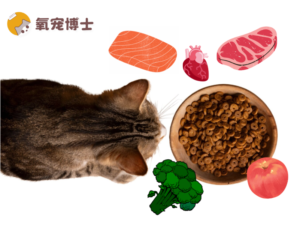
What to Feed Your Cat for a Healthy Heart
A cat's heart health rests heavily on diet. Taurine, omega-3s, L-carnitine, and vitamins E and C are the nutrients that protect the myocardium and slow decline—found in organ meat, lean poultry, salmon, and vegetables like broccoli and spinach. Just as important is what to avoid: salty, fatty, and high-cholesterol foods that strain the heart. Senior and high-risk purebred cats need regular checkups at the first sign of breathlessness.

How to Feed a Nursing Mother Cat
A mother cat loses large amounts of nutrients to her kittens while pregnant and nursing, so she needs extra protein, fat, vitamins and minerals to keep milk quality up and avoid weakness or postpartum tremors. Choose a lactation-formula cat food, feed small meals often since she moves little, and offer goat milk, nutrient paste, chicken, canned food, beef or fish broth as toppers. If she loses appetite or trembles, a vet can confirm calcium deficiency and prescribe pet calcium with vitamin D.