Search Results
416 results for “vitamin deficiency”

Cat Dandruff: Causes and Treatment
Dandruff in cats is usually caused by external parasites such as fleas or lice, or by allergic reactions to pollen and dust. Mild flakes with no other symptoms are normal, but heavy flaking with rashes or hair loss calls for parasiticides and medicated skin care. Regular deworming and a healthy skin barrier are the best defense.

Breeding Buck Feeding Techniques
Though few in number, breeding bucks decide the herd's performance and quality, since their main job is mating, so they are held to a higher standard. Beyond the buck's own condition, keeping his fertility high needs better management. Here we introduce some buck-feeding techniques.
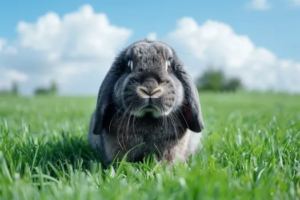
How to Supplement a Breeding Rabbit’s Nutrition?
Keeping a breeder's nutrition balanced is key to quality, yet you must avoid overfeeding and obesity. How should owners supplement a breeder's diet? Read on with us.

What Causes Doe Miscarriage and How to Prevent It?
Owners may assume miscarriage means illness, but it also ties to nutrient lack and poor feeding. This article explains the causes.

Why Does My Rabbit Have Dull, Unfocused Eyes?
Dull, unfocused rabbit eyes often mean vitamin A deficiency causing night blindness and dry eye; enrich the diet with vitamin-rich greens, add a probiotic for weak digestion, and give older rabbits an easy-to-absorb supplement.
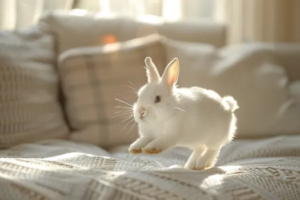
What Are the Signs of Nutritional Imbalance in a Doe?
A doe's imbalance includes deficiency, excess, and imbalance. What are the signs of each? Read on for details.

Common Causes of Stomatitis in Dogs and Cats
Stomatitis is a common oral disease in pets, but what causes it? Here we explain.

How to Tell If Your Dog Is Calcium Deficient
For a healthy dog, calcium is essential - vital to muscle, nerve, bone, and blood. How do we tell in daily life if a dog lacks calcium? This article covers the symptoms and what to do.

Why Does Your Cat Have Frequent Diarrhea?
Cat diarrhea has many causes: overeating or hard-to-digest food, gastritis/enteritis, parasites (roundworm, tapeworm, coccidia), congenital enzyme lack, tumors (hepatitis, pancreas), and vitamin/mineral deficiency or toxic plants like lilies.

What Is a Non-Pregnant Doe Rabbit? Key Management Points
A non-pregnant (resting) doe is one from weaning her litter to the next successful mating. The rest period varies with the breeding system. A shorter rest improves farm profitability. This article explains how to manage a resting doe.