Search Results
416 results for “vitamin deficiency”

What Causes Periodontitis in Dogs?
Periodontitis is a common and painful dental disease in dogs, driven by a mix of physical, fungal, bacterial, and metabolic factors. Physical causes include chewing on fish bones, wire, or other sharp objects that injure the mouth, while fungal infections such as Candida or Blastomyces and bacterial overgrowth can trigger necrotizing ulcerative gingivitis. Metabolic problems like diabetes, kidney disease, dehydration, and hypothyroidism also raise the risk. Affected dogs show bad breath, drooling, swollen or receding gums, loose teeth, and sometimes pus. Diagnosis combines an oral exam with dental X-rays, and treatment requires professional cleaning or extraction under anesthesia plus ongoing home dental care.

Razor-backed Musk Turtle
The Razor-backed Musk Turtle (Sternotherus carinatus), affectionately called the 'razor' or 'little razor,' has a uniquely keeled, roof-like carapace. A common and easy musk turtle, it is active and interactive with keepers.
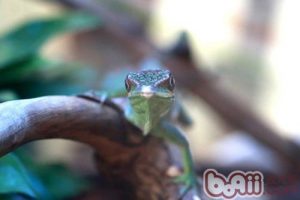
Green Anole
The Green Anole (Anolis carolinensis) is a small, tree-dwelling lizard from the southeastern United States and Caribbean, famous for changing color between green and brown, earning it the nickname 'American chameleon.' A diurnal, insect-eating pet that is easy to keep in a planted terrarium with heat and UVB.
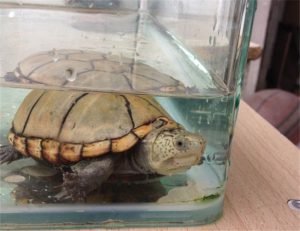
Kinosternon alamosae (Alamos Mud Turtle)
The Alamos mud turtle lives in aquatic-rich habitats and unique ponds, retreating into mud to aestivate during dry periods. In the wild it eats insects, small shrimp, and other invertebrates, and is a shy turtle that withdraws into its shell when threatened.
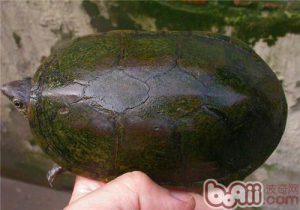
Oaxaca Mud Turtle
The Oaxaca Mud Turtle (Kinosternon oaxacae) is a type of mud turtle that aestivates in summer, burying itself in mud to cool down—hence its name. Living in slow-moving rivers, it hunts fish and shrimp in the water and is an omnivore that leans carnivorous.
How good is Shenglaizhi dog food?
Shenglaizhi is a Japanese-formula dog food made in China with vague ingredients and lots of grain; its fat is too low to meet standards.
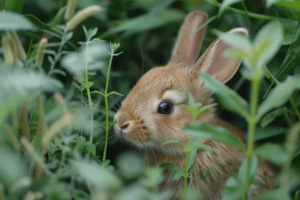
Why Rabbits Pull Their Own Fur
A rabbit pulling its fur may simply be a pregnant doe lining a nest before birth — or it may signal skin disease, parasites, a vitamin/mineral shortfall, or the stress of too small a cage. Check the skin for rash or scabs, fix the diet with varied hays and greens, and give it room to roam; separate any fur-puller from cage-mates so the habit doesn't spread.
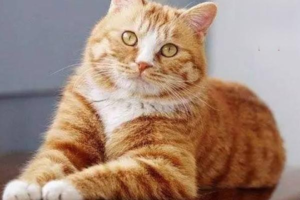
Why a Kitten’s Hind Legs Splay Outward
A kitten with splayed hind legs may have been born with a skeletal deformity or suffered nerve or bone damage during birth, which imaging can confirm and surgery may correct. A sudden onset more often points to a metabolic cause such as calcium deficiency from a bad diet or a thyroid disorder, which responds to calcium, vitamin D, and sunlight.
Bladder and Urethral Stones in Dogs: Symptoms and Treatment
Urinary stones form when minerals crystallize in the bladder or urethra, causing straining, frequent tiny urinations, and blood in the urine. Bladder stones usually need surgical removal; urethral stones are flushed back or taken out surgically. Prevention centers on plenty of water, adequate vitamin A, and a balanced diet rather than an all-meat one.
How to Treat Severe Feather Loss in Parrots
Heavy feather loss in parrots usually signals feather-picking syndrome, driven by parasites, skin infection, nutritional gaps, a poor environment, hidden illness, or stress. Treatment starts with pinpointing the cause — a better diet, a vet exam with skin scraping, or cleaner surroundings — and keeping the bird in a stable, calm home.