Search Results
2436 results for “vitamin E”

What to Do When Your Dog Is Constipated
Constipation in dogs usually improves with diet and routine changes — rotate the kibble, mix in plain yogurt, keep water and vegetables available, offer probiotics and a little honey water, and ensure daily exercise. High-fiber food and portion control prevent most cases; if home care fails, a veterinary visit is needed.

Best Treatment for Cat Ringworm
Ringworm is a fungal infection affecting roughly one in four cats, caused mainly by Microsporum and Trichophyton species. Effective treatment combines clipping widespread patches, medicated baths, vet-prescribed antifungal sprays or ointments with oral medication, and thorough environmental disinfection. Keeping up parasite prevention and a clean home stops recurrence.

How Long Does Ringworm Take to Heal After Treatment?
Ringworm is a fungal skin infection that usually clears with proper treatment in about a month, though full hair regrowth can take a few months. Recovery time depends on how far it spread, the cat's immunity, the medication used, and whether an Elizabethan collar is worn consistently. Prevention through good nutrition, vitamin B, and a dry, clean environment matters more than treatment.

How to Treat Mite Skin Disease in Dogs
Mite skin disease keeps coming back because the mites live in the environment as much as on the dog. Treatment means medicating the affected spots, deep-cleaning the home, and boosting the dog's immunity—prevention through diet, parasite control, and limited contact with strays is what stops recurrence.

Why Your Dog Is Sneezing and Blowing Blood from the Nose
Blood from a dog's nose is not the same as a human nosebleed from heat—it can signal trauma, a clotting problem, nasal mites, or a lodged object. Because severe bleeding can turn critical fast, any nosebleed with sneezing deserves a prompt veterinary exam.
Mild Cat Cold vs. Feline Herpesvirus (Cat Flu)
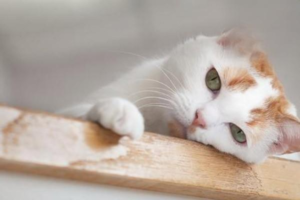
A sneezing, runny-nosed kitten usually has either a mild cold or feline herpesvirus (cat flu). The mild version clears with warmth and rest; the viral form brings lethargy, poor appetite, and eye discharge and needs isolation plus veterinary care. Telling them apart decides how quickly your cat recovers.

What to Do About Thick Yellow Nasal Discharge in Dogs
Seasonal sniffles are common in dogs, but thick yellow discharge is a warning sign of inflammation rather than a simple cold. It can mean a serious cold, a respiratory infection, or a viral disease — and the right step depends on which one it is.

How to Reduce Shedding in a Ragdoll Cat
Ragdolls are long-haired and shed year-round, with a heavy blowout as kittens around three to four months. The fix is mostly daily grooming, a coat-friendly diet, and infrequent proper bathing — and a vet check if the coat suddenly thins.

What to Do When a Kitten’s Eyes Are Crusted Shut
Heavy eye discharge that mats a kitten's eyes usually means irritation from diet or a bacterial infection such as conjunctivitis. Lighten the food, keep the eyes clean, and use vet eye drops if redness appears — and see a vet if it will not clear.

Teddy Dog With Diarrhea, No Appetite, and Lethargy
A Teddy's sensitive stomach is easily upset by overfeeding, cold, or parasites, and the result is diarrhea with lost appetite and low energy. Controlling portions, keeping the dog warm, regular deworming, and gut-supporting supplements are the backbone of recovery.