Search Results
416 results for “vitamin E dog skin”
Why does my dog have a patch of hair loss?
Hair loss may come from skin disease, hormonal imbalance, or missing nutrients during shedding. With scabs, itching, or red spots, get a skin scrape to diagnose and treat; try topical ointments. Symmetrical loss may be hormonal; see a vet. Otherwise supplement vitamins and fish oil.
How can I repair a dog’s damaged hair follicles that won’t regrow fur?
For damaged follicles, feed nutritious foods like fish oil, lecithin, vitamin B, and astaxanthin, and apply a growth-promoting spot treatment locally. Recovery is slow, so be patient, limit sun to avoid UV skin damage, and brush often to boost circulation. Deep damage may never regrow; let it be.
How Long Does a Dog’s Shedding Take?
Puppies shed their coat at 3–4 months over 2–3 months, then seasonally each spring and autumn for about a month. Brush often and add coat-friendly nutrition.
Can dogs eat raisins?
No. Grape seeds contain cyanide toxic to dogs and can cause kidney failure; raisins are also high in sugar, risking obesity and diabetes. Avoid all grapes. For fruit, choose apple, pear, banana, or watermelon.
What causes my dog’s hair loss and how do I treat it?
Based on the signs, your dog's hair loss is most likely from a fungal, bacterial, or mite skin infection. Have a vet do a skin scraping to confirm the cause, then treat accordingly: antifungal medicated baths and sprays for fungus, antibacterial sprays and vitamin B for bacteria, and external parasite treatment for mites. Disinfect the environment to stop reinfection.

Why Does My Dog Have So Much Dandruff?
Extra dandruff usually means dry air, over-bathing, poor diet (low Omega-3/6, zinc, vitamins), or a skin disease. Raise humidity, bathe only 1-2 times a month with dog shampoo, add fish oil, and see a vet for a skin scrape if redness or itching joins in.

How to Reduce Shedding in Dogs
Less shedding starts with good hydration and balanced nutrition, plus regular brushing, a clean environment, routine baths, some sun, and deworming. Poor diet, dirty surroundings, and parasites are the usual culprits behind heavy, low-quality coat loss.
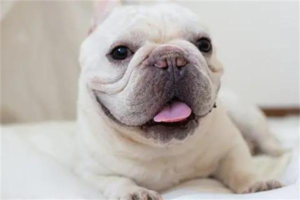
French Bulldog: The Pros and Cons of Ownership
French Bulldogs are loyal, adaptable, and great with kids, but their short coats invite skin trouble, their flat faces bring breathing issues, and they are harder to train. Weigh the charm against the care before you commit.

Causes and Solutions for Excessive Dog Dandruff
Heavy dog dandruff can come from dry skin, poor nutrition, parasites or skin disease, allergies, hormonal imbalance, or genetics. Fix it by bathing less with dog-specific shampoo, improving diet with Omega-3 and vitamins, controlling parasites, finding allergens, and moisturizing — and see a vet if itching or hair loss appears.
Why is my dog shedding skin and fur on its nose and body, and what medicine helps?
This is likely a fungal or mange (mite) skin infection, often from a damp unclean home, vitamin deficiency, or missed flea/tick prevention. If you can't see a vet, try veterinary B-complex orally plus a skin spray; bathe with a medicated wash and do external deworming after 3 days. Use an Elizabethan collar.