Search Results
741 results for “vitamin B for dogs”

Dog and Cat Reproductive Diseases: Signs and Routine Medication
Reproductive disease in dogs and cats is less common than other ills but easily missed. This guide covers testicular, prostatic, vulvar/vaginal, uterine, and mammary/navel inflammation with the drugs that help.

What Do Different Trace Elements Do for a Dog’s Body?
Lack of trace elements shows mostly as skin and coat problems: zinc deficiency causes hair loss and ulcers, B-vitamin lack causes dermatitis and coat fading, and low protein/sulfur amino acids weakens the coat. Supplement as needed.

Dog and Cat Whelping Guide: Prenatal, Labor, and Postpartum Care
Whelping carries normal risk from mating to birth. This guide covers the best breeding age, pregnancy signs, nest setup, labor signs and difficult-birth warnings, and postpartum nursing and feeding.

Signs of a Puppy Shedding Its Baby Coat
Puppies shed their baby coat from about 3 to 8 months; adults shed seasonally in spring and autumn. Help with frequent brushing, lecithin and fish oil, and good nutrition to avoid matting.

Best Fruits to Cool Your Dog in Summer
Cool your dog with banana (fiber, potassium), watermelon (hydration—no seeds/rind, not cold), pineapple (vitamin C, digestion), and mango (remove the cyanide pit). Apples and strawberries work too once cored and seeded.
What Happens When a Dog Is Malnourished Long-Term?
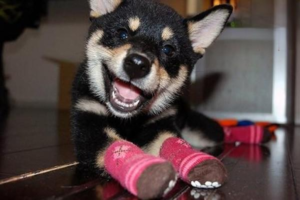
Long-term malnutrition shows as thinness, anemia (pale eyes and pads), dry corneas (vitamin A), bleeding gums (vitamin C), poor bone growth (calcium), and a dull coat (protein). Add the missing nutrients and see a vet to correct the root cause.

Can a Dog’s Urinary Stones Be Treated Without Surgery?
Early, small urinary stones in dogs can often be managed with medication and diet alone, avoiding surgery. This guide explains when surgery is needed, the non-surgical treatment options, and the dietary changes that help dissolve and prevent stones.

Why Does a Dog Urinate Often but Only a Little Each Time?
Frequent urination with only a few drops each time can signal a urinary tract infection, stones, or even kidney disease. This guide covers the likely causes, the right medications, and the home care that helps a dog recover.

Common Causes, Symptoms and Treatment of Pet Colds
Pets catch colds easily — usually from chills (season changes, baths, drafts, rain, cold floors) or low resistance. A plain cold can worsen into something serious, so treat it early. Never give human cold medicine (acetaminophen is toxic to dogs and cats); use pet-specific drugs. Learn the warning signs that separate a cold from pneumonia, rhinitis, feline herpesvirus (cat flu) or distemper.

How to Improve Your Dog’s Coat
A dog's coat shows health and looks, so owners work hard to beautify it. Here is how to make a dog's coat prettier.