Search Results
741 results for “vitamin B for dogs”

Uterine Fluid Buildup in Dogs: Symptoms and Treatment
Uterine fluid buildup (hydrometra) is a serious condition, most common in medium and large breeds, where fluid collects in the womb and swells it—sometimes life-threatening. Signs include poor appetite, lethargy, a swollen abdomen, and abnormal vaginal bleeding. If you notice these, see a vet promptly. Treatment is either conservative (fluids and medication to clear the fluid) for mild cases, or surgery—an ovariohysterectomy—for severe ones, which is more thorough. Spaying prevents the disease entirely, and good hygiene lowers the risk.
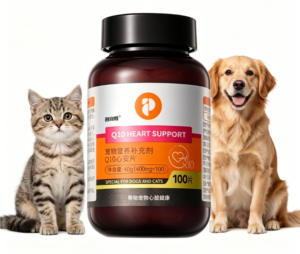
CoQ10 for Dogs and Cats: A Heart-Health Supplement Guide
CoQ10 is a key nutrient for heart-muscle cells and a staple for senior pets and breeds at risk of heart disease. Yet the market is messy—under-dosed, over-claimed products are common. This guide covers who benefits from CoQ10, what to look for on the label, why yeast-fermented source and combined antioxidants (including taurine for cats) matter, and the feeding rules and cautions every owner should know. CoQ10 supports care but never replaces prescribed heart medication.
CoQ10 for Dogs: What to Look for in a Quality Supplement
As pets age, heart conditions such as mitral valve degeneration, myocardial hypertrophy, and dilated cardiomyopathy are a growing concern for dog owners. Once a dog shows frequent coughing, labored breathing, or bluish mucous membranes, the damage is often advanced—so veterinarians commonly recommend CoQ10 as a supportive supplement alongside medication. But supplement quality varies widely, and some products advertise “high potency” while containing almost none. This guide explains how CoQ10 supports the canine heart, the three criteria that separate a real product from a worthless one (transparent content, third-party testing, clinical evidence), and what a sensible daily regimen looks like—always as an adjunct to, never a replacement for, prescribed heart medication.

Why Does Sunlight Help Dogs Absorb Calcium?
Strictly speaking, sunlight does not supply calcium directly; it triggers vitamin D synthesis in the body, which then promotes calcium absorption. A dog's skin contains 7-dehydrocholesterol that ultraviolet light converts into active vitamin D3. After further metabolism, vitamin D3 helps the intestines absorb and use calcium. So letting a dog sunbathe appropriately is a simple way to support its calcium needs alongside a balanced diet.

Why Do Dogs Develop Cervical Spondylosis?
A dog can develop cervical spondylosis for many reasons, including genetics, poor nutrition, holding one posture too long, overexercise, age, and environment. Some breeds with unusual body shapes are more prone to it. Long-term calcium deficiency weakens the bones, making the cervical spine easier to compress and injure. Older dogs are also at higher risk because of bone loss and weaker muscles. This article explains the common causes of cervical disease in dogs and what symptoms and home care look like once it is diagnosed.

What Causes Periodontitis in Dogs?
Periodontitis is a common and painful dental disease in dogs, driven by a mix of physical, fungal, bacterial, and metabolic factors. Physical causes include chewing on fish bones, wire, or other sharp objects that injure the mouth, while fungal infections such as Candida or Blastomyces and bacterial overgrowth can trigger necrotizing ulcerative gingivitis. Metabolic problems like diabetes, kidney disease, dehydration, and hypothyroidism also raise the risk. Affected dogs show bad breath, drooling, swollen or receding gums, loose teeth, and sometimes pus. Diagnosis combines an oral exam with dental X-rays, and treatment requires professional cleaning or extraction under anesthesia plus ongoing home dental care.

What Are the Benefits of Sunbathing for Dogs?
Letting a dog bask in the sun in moderation is a simple way to boost its health and happiness. Sunlight helps the body make vitamin D, which drives calcium absorption and strong bones. It also acts like a natural antidepressant—easing stress, anxiety, and low mood while improving circulation and brain function. UV rays stimulate immune cells so the dog resists infections better, and mild exposure can calm skin inflammation, speed wound healing, and keep the coat shiny by reducing surface bacteria and parasites. The catch is moderation: too much sun, especially at midday, risks dehydration, heatstroke, and even skin cancer. Always offer shade and fresh water, and keep sessions short.

CoQ10 for Dogs: Why It Matters for Your Pet’s Heart
As dogs age, heart function naturally declines, and heart disease is especially common in small breeds. Coenzyme Q10 (CoQ10) is a nutrient that helps power heart-muscle cells and protects them from oxidative damage, which is why it is widely used to support cardiac health in senior pets. Yet the supplement market is uneven—many products overstate or never verify their CoQ10 content. This guide explains what CoQ10 does for your dog's heart, how to choose a supplement with genuinely usable CoQ10, and what the current evidence says, so you can make a confident, informed choice.
Choosing the Best Dog Food for Senior Dogs (Age 7+)
Once a dog turns seven, its metabolism slows, digestion weakens, and organs such as the kidneys, heart, and liver begin to decline — so the right senior dog food matters more than ever. Look for a formula with at least 25% crude protein (30%+ is better), fat held between 8% and 15%, fiber under 9%, starch no higher than 32%, salt under 2%, and a calcium-to-phosphorus ratio of 1:1 to 2:1. Bonus nutrients like glucosamine, fish oil, and probiotics support aging joints, brains, and guts. Prefer wet food for dogs with poor teeth, transition gradually over seven days, and feed smaller meals. For dogs with heart, kidney, or diabetic conditions, a vet-guided prescription diet is safest.

Why Dogs Get Diarrhea and What to Do
Most dog diarrhea comes from feeding mistakes, not a fragile gut. Overfeeding (dogs eat to bursting - feed set amounts, about 80% full), eating too fast (use a slow bowl; short-necked breeds that cough should be checked), post-meal running (walk gently after 30 minutes), and irregular meals (split into 2-3 feeds) all trigger it. Food issues: the wrong main kibble, a gut that prefers meat, or lacking fiber from a little veg. Stress - bad food transitions, frights, new places, vet visits - also causes it; switch gradually to a similar formula. What to feed: probiotics for transition/stress diarrhea, digestion tablets for overeating, B vitamins for gut health. Stop hard-to-digest food, fast one day if severe (keep water), and never soy or corn. Black stool = upper bleed, red = lower bleed, rice-like particles = worms - bring a sample to the vet.