Search Results
255 results for “veterinary surgery”

Esophageal Obstruction in Dogs and Cats: Symptoms, Treatment, and Prevention
Esophageal obstruction is a blockage of the food pipe in dogs and cats, often from a swallowed bone or other object, causing distress, drooling, and regurgitation. It is an emergency relieved by veterinary removal of the object.

Esophageal Dilatation in Dogs and Cats: Symptoms, Treatment, and Prevention
Esophageal dilatation is widening of the esophagus in dogs and cats that impairs movement of food, causing regurgitation and weight loss. Congenital and acquired forms are managed with special feeding techniques and veterinary care.

Canine and Feline Tapeworm Infection (Cestodiasis): Symptoms, Treatment, and Prevention
Tapeworm infection is caused by cestodes such as Dipylidium caninum and Taenia species residing in the small intestine of dogs and cats. Heavy infections cause poor condition and intestinal blockage, and are treated with antitapeworm drugs.

Actinomycosis in Dogs and Cats: Symptoms, Treatment, and Prevention
Actinomycosis is a chronic suppurative granulomatous disease caused by Actinomyces. Lesions favor the face, neck, chest, and abdomen, spreading to surrounding tissue to form fistulas that drain pus containing sulfur granules. High-dose, long-course penicillin works for most cases; surgery to drain abscesses and remove fistulas is also needed. It is not contagious.
My dog was stepped on and now limps — could it be a broken bone?
A pressed leg that limps may be pain or a fracture; get an X-ray, and use external fixation for minor fractures or surgery for severe ones.

What to Do for Feline Liver Failure
The veterinarian will perform various tests to diagnose liver failure and rule out other diseases that may cause similar symptoms. Obtaining a complete history, describing clinical signs, and a thorough physical examination are all important methods for reaching a diagnosis. In addition, a liver biopsy is necessary in some cases to obtain a definitive diagnosis. Your veterinarian may recommend the following tests to rule out other diseases and confirm the diagnosis of liver failure.
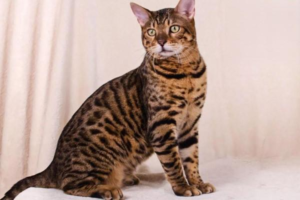
Treatment of Feline Hyperthyroidism
Treating feline hyperthyroidism may involve one or more of several approaches, starting with medication. This article covers methimazole, surgical thyroidectomy, radioactive iodine (I-131) therapy, and supportive follow-up care.
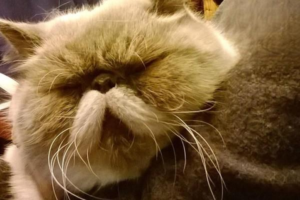
Should You Declaw Your Cat?
Declawing is a controversial surgery that removes the cat's toe bones, not just the nail, and can cause lasting pain and behavior changes. Many places now ban it. Training, nail trims, and scratching posts are safer alternatives.

What Causes a Cat to Vomit
Cat vomit comes in many forms, from harmless hairballs to warning signs like blood or parasites. Knowing what you are looking at helps you decide when a vet visit is urgent.

Why You Should Spay or Neuter Your Cat
Neutering removes the reproductive organs and the hormone-driven behaviors that come with them. It controls the stray population, lowers disease risk, and cuts spraying and fighting — benefits that reach well beyond one cat.