Search Results
81 results for “veterinary fear”

Is a Kitten That Pees from Fear Showing Stress?
A kitten that loses bladder control from fright is indeed experiencing a stress response — a sign of lost emotional control and incontinence. This guide explains the dangers of fright-induced stress and how to respond.

The Pros and Cons of Docking a Dog’s Tail
Tail docking grew from old working-dog needs but is now banned as inhumane in many countries, and pet dogs gain little from it. Beyond the surgical risks, losing the tail blunts a dog's main social signal and can leave painful neuromas, so most veterinarians advise against it.

Why Dogs Carry Food to the Floor to Eat
A dog that drags its bowl food to the floor is usually guarding a resource from perceived rivals, annoyed by a noisy metal bowl, or quietly rejecting unpalatable food. Move the bowl somewhere private, switch to ceramic or wood, or change the kibble.

Why Does My Dog Chew Things Up?
A dog that suddenly starts destroying things is usually acting out of heat, teething, boredom, or a bid for attention — and rarely, rabies. Give it safe chew toys, use scent deterrents on forbidden objects, and correct the habit early; if the chewing comes with illness, see a vet.
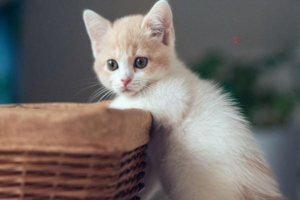
My New Cat Keeps Meowing and Is Afraid of People — What Should I Do?
A newly homed cat that cries and shies away is simply insecure — cats are cautious animals, and a strange home and stranger trigger fear and defensiveness. Give it quiet, a hiding spot, warmth, food left within reach, and something that smells like home; forcing contact can spiral into dangerous stress. Severe stress warrants a vet visit.

What Are the Symptoms of Stress in Rabbits?
Rabbits startle easily and stress at almost nothing; signs range from poor appetite and hiding to collapse, frothing at the mouth, and grinding teeth. Common triggers are loud noise, a new home, pain from gut or dental disease, and the scent of predators such as cats and dogs. Severe stress is life-threatening and needs a vet at once.

Why Is My Cat Shaking, and What Should I Do?
Cats shake for harmless reasons — cold, fear, or stress — but also for serious ones like poisoning or disease (seizures, fever, drug reactions). Warm a chilled or stressed cat and watch it; if shaking comes with vomiting, diarrhea, low appetite, or lethargy, or you suspect poisoning, get to a vet quickly.

What Is Feline AIDS (FIV) and What Are Its Symptoms?
The name 'feline AIDS' often confuses people. Its full name is Feline Immunodeficiency Virus (FIV), different from human HIV. Infected cats may show chronic mouth inflammation, fever, weight loss, and more, but it does not spread to humans, dogs, or other animals.

How to Get a Dog That Won’t Drink Water to Drink
Water is essential for a dog's normal physiology and metabolism. Both humans and dogs need lots daily. Water is over 60% of an adult dog's weight, about 80% of a puppy's. Lack of water causes stalled digestion, constipation, trapped toxins reabsorbed, severe gut damage, and long-term stones and disease.
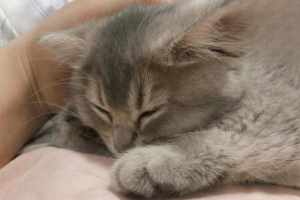
Symptoms of a Ragdoll Cat Cold
Ragdoll cat colds bring many symptoms - sneezing, runny nose, coughing, fever, vomiting and more may all appear. Cat colds range from minor to serious and must not be ignored; timely treatment is needed.