Search Results
1129 results for “veterinary exam”
Can a cat’s bloody urine heal on its own?
Bloody urine in cats generally won't resolve on its own. Causes range from poisoning, trauma, urinary tract infection, and bladder stones to reproductive tumors, leukemia, and candidiasis (and in females, vaginitis or pyometra). Apart from mild trauma, most cases are unlikely to self-heal, so have a vet identify the cause and treat it before it worsens.
What should I do if my cat’s ear is inflamed and oozing pus?
If your cat's ear is inflamed and oozing pus, take it to a vet promptly so the discharge can be examined and the cause identified. It may be otitis externa or otitis media; mild externa is managed by cleaning and medicating as directed, while more serious media needs a culture/sensitivity test to pick the right drug before regular cleaning and treatment.
What should I do if my dog vomits?
First identify why your dog is vomiting. If it throws up kibble only a few times, it's likely from eating too fast or something unsuitable and usually settles on its own - just keep food quality high and slow its eating. Frequent vomiting, though, points to gastritis, an infectious disease, or pancreatitis and needs a vet.
What should I do if my dog won’t eat, won’t drink, and is lethargic?
A dog that won't eat, won't drink, and is lethargic should be taken to a vet promptly - it's a common sign of illness, and prolonged refusal to eat or drink can cause hypoglycemia and low blood pressure, especially in puppies. Causes vary and symptoms alone can't confirm a diagnosis, so exams are needed; if it's very weak, give oral glucose and get it to a vet fast.

What to Do If Your Cat Has Tapeworms
Tapeworms cause belly discomfort, diarrhea, vomiting, weight loss, dull coat, and shedding; heavy infections shed visible segments near the anus, making the cat scoot or lick. Cats catch them by eating infected fleas, mice, or birds, through mother's milk, or from a contaminated environment. Treatment is a dewormer with praziquantel, fenbendazole, or albendazole plus probiotics, and strict flea control plus regular deworming prevents reinfection.

Why Is Your Dog Weak in the Hind Legs and Unsteady
A dog that walks with weak, wobbly legs can signal many problems: lack of exercise, poor nutrition, fatigue, heart or respiratory disease, muscle or skeletal disorders, anemia, diabetes, or thyroid trouble. A single, bland diet or long hunger can cause dehydration and low blood sugar, calcium, or potassium, leading to dizziness and weakness. Overexertion alone may just need rest. If the signs persist, a vet visit with bloodwork and X-rays pinpoints the cause and guides treatment.

Pseudemys alabamensis (Alabama Red-bellied Turtle)
The Alabama red-bellied turtle is a small to medium aquatic turtle with a carapace 35–45 cm long. Hatchlings are vividly colored, but in the wild adults become dull and grayish-black; captive-bred individuals can retain their bright coloration.

Dog Panting After a Few Steps? Don’t Ignore Heart Trouble
A dog that pants heavily or struggles to breathe after only a short walk may be signaling heart disease rather than mere old age or extra weight. Key warning signs include a sudden drop in stamina, labored breathing at rest, blue-tinged gums, nighttime coughing, and lethargy. Early veterinary diagnosis and daily heart-care management can dramatically slow progression and extend your dog's life.
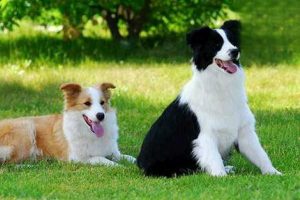
Canine and Feline Brain Tumors
Brain tumors in dogs and cats are most often meningeal or glial tumors that appear in middle-aged to older pets, with some breeds such as Boxers and Bulldogs overrepresented. They compress brain tissue and cause gradually worsening neurological signs including behavior changes, circling, head tilt, blindness, and seizures.
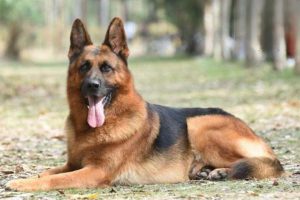
Canine and Feline Hemangioma and Hemangiosarcoma
Hemangiomas are slow-growing benign tumors of blood vessels, while hemangiosarcomas are aggressive malignant vascular tumors that often spread before signs appear. Common sites include the skin, spleen, liver, heart, and bone, with large breeds such as Great Danes, Boxers, and German Shepherds overrepresented.