Search Results
1128 results for “veterinary exam”
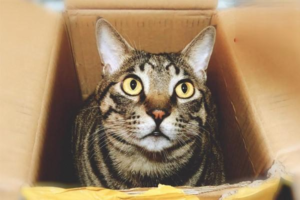
What Causes Bloody Stool From Cat Colitis
Bloody, foul cat stool usually means colitis—from diet change, foreign objects, bacteria, parasites (coccidia, Giardia), drugs, or allergies. Treatment pairs diet and probiotics with targeted antiparasitic, antiallergy, and antibiotic care.

Cat Colitis: Symptoms & How to Treat
Cat colitis starts with normal appetite but frequent soft, bloody, foul stools and can progress to watery sprayed diarrhea. Home care uses amoxicillin and bismuth; prescription care may add atropine, gentamicin, or fluids.

Cat Colitis: Symptoms, Causes & Treatment
Cat colitis brings chronic constipation then watery, bloody, foul diarrhea and weight loss. Causes include stress, parasites, allergies, FIV/pancreatitis, and diet change. Treatment is antidiarrheals, sometimes steroids, plus cause removal and good nutrition.

Dog and Cat Vaccines: Types, Schedule & Precautions
Vaccination is the most effective defense against infectious disease in pets. This guide covers dog and cat vaccine types (distemper/parvo, FVRCP, rabies, kennel cough), schedules, and key before/after precautions including deworming and timing.

Symptoms of Heart Disease in Dogs
Coughing, low stamina, a swollen belly, restlessness, and fast sleeping breaths can all signal heart trouble. Learn the key symptoms — and how to use sleeping respiratory rate (over 30/min) as an early warning sign.

What to Do When Your Rabbit Loses Its Appetite
A rabbit that stops eating is a warning sign. This article explains common causes of poor rabbit appetite—spoiled food, gut issues, nutritional gaps—and how probiotics, diet changes, and vet checks can restore it.

What Is Stud Tail in Cats and How to Treat It
Stud tail (tail gland hyperplasia) is an oily, acne-like skin condition in cats caused by hormone-driven sebum overproduction—common in intact males. Learn its causes and the treatment approach: neutering, antibiotics, and topical cleaning.

Fever in Dogs and Cats: Causes, Detection and How to Reduce It
Fever in dogs and cats can stem from infections or non-infectious issues like heatstroke and post-vaccine reactions. Learn how to take your pet's temperature, recognize fever signs, and safely reduce fever with cooling and vet-approved medication.

What to Watch for with Dog Allergies
There are many causes of allergic reactions in dogs; with over two thousand allergens in nature, the chance is fairly high. Here we detail the types of allergens.

How to Prevent Periodontitis in Cats
If a cat's teeth develop problems like tartar or periodontitis, it causes pain, bad breath, and seriously affects eating and daily life. Owners must provide dental care to prevent oral disease. Here we share some ways to prevent feline dental problems.