Search Results
763 results for “vet visit”
What are the symptoms of a cat urinary tract infection?
Cat UTI signs are frequent urination, low volume, painful urination and blood in urine. Early, the cat visits the box often but passes little or none; some stay in the box all day from constant urgency. As it worsens, urine turns cloudy with mucus or pus, sometimes blood. If the bladder fills, the vet must catheterize and use diuretics and anti-inflammatories.

Common Guinea Pig Diseases and Their Symptoms
Guinea pigs commonly suffer digestive troubles (diarrhea, constipation, gut parasites), respiratory infections (pneumonia, bronchitis), skin disease from bacteria, fungus, or external parasites, and urinary issues (cystitis, nephritis). Good diet, clean housing, checkups, and prevention keep them healthy.
Why Is Your Dog Scooting (Dragging Its Bottom) on the Floor?
A dog dragging its bottom usually means anal itching or pain — most often impacted or infected anal glands, intestinal parasites (tapeworms), perianal skin infection, or allergies. Signs like frequent licking, straining to defecate, or a red swollen anus point to anal-gland disease (express and apply an antibiotic ointment). White rice-like segments mean tapeworms (use a praziquantel dewormer). Rule out health causes before blaming boredom or anxiety.

Can Dogs Go Bald? Understanding Localized Hair Loss
Dogs don't go bald from genetics like people do; their "bald spot" is localized hair loss from salty food, lack of sunlight, over-bathing, follicle damage, poor nutrition, or fungal/mite/bacterial skin disease. Adjust diet and care, limit baths, ensure sunlight and parasite control, and see a vet for serious skin issues.

How to Tell If Your Cat Has Finished Giving Birth
You can tell a cat is done giving birth when she stops straining, relaxes, and begins cleaning and nursing the kittens—and when no hard lumps remain in her belly or thighs. Track the due date (temperature drops ~24h before labor), watch for restlessness, more bathroom trips, and contractions, and an X-ray before birth reveals the kitten count.

Why Do Dogs Eat Grass
Dogs eat grass out of curiosity, boredom, taste, or to self-medicate an upset stomach and add fiber. It can also signal pica from a mineral deficiency. If it eats other odd objects too, see a vet for a supplement and diet fix.

How to Handle Bleeding Gums in Cats
Bleeding gums in cats are usually caused by tartar, periodontal disease, loose teeth, poor nutrition, or injury. Check the mouth, use pet-safe oral sprays, brush regularly with cat toothpaste, and see a vet if inflammation or heavy tartar is present.

What Causes Stress in Cats
Cat stress comes from many things: environment changes, lack of company, noise, broken routines, household conflict, and health issues. Keep the home stable and quiet, stick to a routine, respect its boundaries, and see a vet if urination, appetite, or vomiting problems appear.
How to Tell If a Dog’s Cough Is Kennel Cough
Kennel cough is a contagious respiratory disease; suspect it with a harsh 'honking' cough that looks like retching, a pained look, and white foamy mucus, while energy and appetite stay normal. It lingers 1–3 weeks (unlike a 1–3 day plain cough) and follows contact with other dogs or busy pet places — unvaccinated puppies under 6 months are most at risk. Isolate, ease the neck (use a harness), and see a vet; never give human cold medicine.
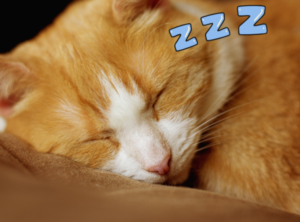
Is It Normal for a Cat to Sleep All Day?
It's normal for a healthy adult cat to sleep 15–20 hours a day (kittens and seniors even more). Most of that is light dozing — only 20–30% is deep sleep. If your cat wakes cheerful and eats normally, don't worry; but sudden lethargy with appetite loss, weight loss, fast breathing, or hiding needs a vet.