Search Results
763 results for “vet visit”

Icelandic Sheepdog
The Icelandic Sheepdog, originally from Iceland and dating to the 17th century, is Iceland's only native breed. Brought by Scandinavian settlers around 874–930 AD, it nearly vanished from a plague but was revived through the efforts of breeders in Iceland and Britain.

Yorkshire Terrier
The Yorkshire Terrier is a small toy terrier with a silky, flowing coat, originally bred in England's Yorkshire region for catching rats. Confident and affectionate with its family, it is a popular companion dog.
My cat has had diarrhea lately, poor appetite, low spirits, sits in a crouched pose, and sleeps a lot. What’s wrong?
Diarrhea with poor appetite has many causes: gastroenteritis, food allergy, ulcers, liver or kidney disease, or stress. See a vet for diagnosis; if a visit isn't possible, try pet anti-inflammatory, anti-diarrhea medicine, and probiotics first.
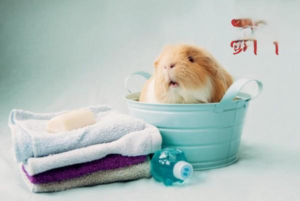
Why Won’t a Dwarf Hamster Open Its Eyes?
A dwarf hamster that suddenly won't open its eyes may be overheated from a high-calorie diet, have an eye infection from dust or debris, or simply be stuck shut by dried discharge. Mild cases improve with a lighter diet or a gentle clean, while infections need saline rinses and pet eye drops. This article explains the common causes and what to do.
My two-month-old neutered Teddy ate rehydrated duck freeze-dry at 8pm, coughed, I gave a little amoxicillin; at midnight more cough, more amoxicillin and duck, then refused food; now sudden violent cough and green loose stool—what is wrong?
Cough suggests upper respiratory infection from chill, bacteria, or virus; green loose stool means gut trouble, possibly virus or parasites. With multiple signs, see a vet at once. If not, symptomatic care with an anti-inflammatory cough herbal tablet and doxycycline, probiotics, then deworm; if no improvement, it is serious.
My dog keeps vomiting and has no energy—what should I do?
Persistent vomiting and lethargy may be acute gastroenteritis, pancreatitis, intestinal obstruction, poisoning, hepatitis, or viral disease—see a vet promptly. Before visiting, withhold food to avoid worsening; to prevent dehydration/acid-base imbalance, give sugar-salt water after fasting. If no toxin and no further vomiting, try small-dose pet anti-inflammatory and antiemetic, observe, then feed liquid food.
My rabbit’s ears are hot; I cooled them with water but they get hot again—why?
Based on your description, hot ears in a rabbit may indicate a fever. A pet rabbit's normal temperature is about 38–39.5°C. First measure with a thermometer; if accompanied by symptoms like nasal discharge or lethargy, the fever is likely from infection or contagious disease. If cooling doesn't help and fever recurs, see a vet.
My Bichon started having bloody, jelly-like stool but still has great appetite and energy—what should I do?
Bloody, jelly-like stool may be acute gastroenteritis, parasites, or viral infection. Normal spirits suggest early stage—see a vet promptly. Gastroenteritis needs anti-inflammatory and probiotics; parasites (often coccidia) need sulfa drugs; viruses (parvo/corona) need antivirals like interferon and serum.
My baby turtle barely moves, neck twisted to one side and circling in water—what’s wrong?
When a turtle refuses water and shows limb weakness, it is generally in a diseased state. Common causes include malnutrition, dehydration, respiratory disease, pneumonia, and enteritis. Respiratory disease can co-occur with enteritis and pneumonia and is common in turtles, especially during seasonal changes. Test in deep water for floating tilt and abnormal breathing; if unclear, visit an exotic-animal vet.
Why is my cat losing fur? Mainly on the head and back.
There are many reasons a cat may lose fur. If it is simple shedding, it may be seasonal or due to poor nutrition. During the spring and autumn coat changes, cats shed old hair and grow new, so owners should brush frequently and supplement with lecithin, fish oil, and similar products to support coat repair. If the hair loss is patchy and accompanied by bald spots, dandruff, or scabs, it is usually caused by a skin condition.