Search Results
763 results for “vet visit”

My Dog Has Soft Stools but Is Full of Energy — Does It Need Medicine?
A dog with soft stools but normal energy usually just has mild gut irritation from a new or rich food, and probiotics plus observation are often enough. But watch closely — parasites, parvovirus, or pancreatitis can start the same way, so any later fever, lethargy, or lost appetite means a vet visit.
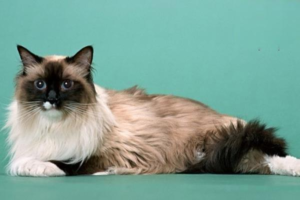
Why Your Cat Has No Appetite but Still Acts Normal
A cat that skips meals but stays bright is rarely sick — the usual culprits are a seasonal dip, treat-driven pickiness, heat, mood, or stale food, with oral disease the one to rule out by checking the gums. As long as the energy holds, fix the routine (set mealtimes, fewer snacks) and watch; a vet visit is only urgent if the spark fades too.

How to Give Your Cat a Home Health Check
A hands-on check covers body condition and spirit, then vitals (temperature, pulse, hydration) and a look at the eyes, nose, mouth, ears, skin, chin, anus, and genitals. Red flags such as gum redness, ear-mite crust, tapeworm segments, or a dirty chin mean a vet visit.

Black Spots on Your Cat’s Nose: Dirt or Something Serious?
About 90% of black marks on a cat's nose sit along the bridge, are greasy food grime that wipes away to reveal clean skin, and are completely harmless. But specks inside the nostrils with sneezing or discharge point to an infection such as a cold or feline herpesvirus, and dark patches on the bridge or sides of the nose often mean ringworm — both warrant a vet visit.
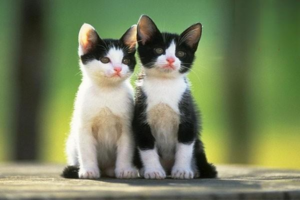
What Are the Benefits of Neutering Your Cat?
Neutering curbs estrogen-driven behaviors, making a cat calmer and easier to live with, and — when done before age five — can extend its lifespan by avoiding the physical toll of repeated heat and breeding. Watch the incision site afterward: mild inflammation needs daily disinfection with an E-collar, while a widening wound or pus means a vet visit for possible re-suturing.

Why Is My Cat Vomiting After Giving Birth?
Occasional post-birth vomiting can be normal — from licking kittens' feces, overeating, or labor pain — but frothing with panting, a stiff gait, or tremors signals hypocalcemia and needs an emergency vet visit. Monitor closely and get help for any worrying sign.

Why Dogs Sneeze and What to Do
A sneeze isn't always serious — excitement, dust, or perfume can trigger one that passes on its own. But a sneeze that lingers, especially with nasal discharge, can point to a cold or a deeper problem (upper-respiratory, even neurological), and warrants a vet visit before complications set in.
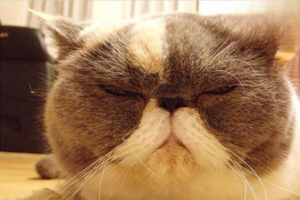
Causes of Bleeding After Cat Birth and How to Care for the Mother
Light, short bleeding after a cat gives birth is normal — it's lochia clearing the womb. But heavy, unstoppable bleeding with coldness, pale gums, or lethargy means shock risk and needs an emergency vet visit. Keep the den clean, feed high-protein food, and avoid disturbing mother and kittens.

What Causes Gingivitis in Cats?
Feline gingivitis usually starts with poor oral hygiene but can also trace to nutritional gaps, a wet or sugary diet, oral injury, calicivirus or herpesvirus infection, or systemic illness such as diabetes and kidney disease. Signs include bleeding gums, bad breath, and redness or swelling; a vet visit, professional cleaning, and antibiotics treat it, while regular brushing is the best prevention.

My New Cat Keeps Meowing and Is Afraid of People — What Should I Do?
A newly homed cat that cries and shies away is simply insecure — cats are cautious animals, and a strange home and stranger trigger fear and defensiveness. Give it quiet, a hiding spot, warmth, food left within reach, and something that smells like home; forcing contact can spiral into dangerous stress. Severe stress warrants a vet visit.