Search Results
763 results for “vet visit”

What to Do About Pus-Like Eye Discharge in Cats
Thick, pus-like eye discharge is a warning sign, not just dirt. It can come from a hot, fiber-poor diet, conjunctivitis, or a viral or bacterial infection — and because the eyes often signal inner trouble, persistent discharge means a vet visit.

How to Treat a Sneezing, Congested Cat
A cat that only sneezes usually needs no medication, but added symptoms change the picture. Allergies, a chill, viral rhinotracheitis, or a nasal foreign body each call for a different fix — and persistent sneezing with discharge means a vet visit.
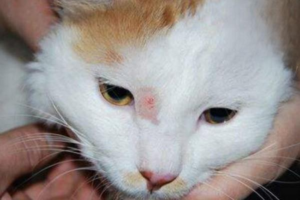
How to Tell If Your Cat Has Ringworm
Ringworm shows up as patchy hair loss with red, irritated skin and itching. Start by checking the ears, since that damp area is a favorite spot, and watch whether the bare patches keep spreading — expanding lesions mean it is time for a vet visit.
My dog keeps sneezing with very short intervals — that counts as frequent sneezing, doesn’t it? Is it a cold?
Frequent sneezing often points to a cold — sneezing and a runny nose are early cold signs. To confirm, check for other symptoms (cough, low energy, reduced appetite, runny nose, rising temperature); two or three together suggest a cold. Treat with a vet-recommended canine cold medicine or a vet visit, promptly, to avoid worsening.
My dog has a fever — are there any quick home remedies I can try?
For a mild fever, simple home measures can ease symptoms: offer cool boiled water, wipe the paw pads and belly with rubbing alcohol, or apply a cool towel for physical cooling. A more serious fever needs a dog-specific fever medication — usually a vet-recommended fever reducer or a vet visit for an injection.
My dog’s body feels warm, like it might have a fever — can it recover on its own?
A strong, healthy dog may fight off a mild fever on its own thanks to a robust immune system, but a high fever is unlikely to resolve without help regardless of constitution. For most fevers, a vet-recommended canine fever reducer is used, or a vet visit for a fever-reducing injection.
What are the signs of fever in a dog, and how can I tell if my dog actually has a fever?
The clearest sign is a rising body temperature—measure it with a thermometer placed under the dog's armpit for a few minutes. A reading above 39.2°C confirms fever, after which the dog may refuse food, drink more, or seek cool spots. A canine fever-reducing medication or a vet visit can follow.
Since I woke up my cat has been sneezing constantly and very frequently. Is it a cold, and what medicine should I give?
Sneezing can be a sign of respiratory infection or merely a physiological reaction, so it does not always mean illness. With accompanying nasal discharge the cat is likely sick and a cat cold medicine helps; recurring or feverish cases warrant a vet visit and, if needed, a fever-reducing medication after a clear diagnosis.
My dog has been sneezing repeatedly all day and its nose is dry — could it have a cold?
Repeated sneezing with a dry nose in a dog is usually an early sign of a cold; a runny nose, fever and cough follow as it worsens. A canine cold medicine helps, but a vet visit is the safe call if symptoms persist.
My dog has been sneezing frequently today and its nose is dry — is this a cold?
Frequent sneezing with a dry nose in a dog usually signals a cold: the discharge dries the nose out and the dog licks it constantly. A canine cold medicine can help, but a vet visit is the safe call if symptoms are severe.