Search Results
764 results for “vet visit”

What to Do When Your Hamster Has a Bleeding Nose
A hamster's nose can bleed for several reasons, including respiratory infections, inflammation, injury, dry air, or a vitamin deficiency. Light bleeding from a minor scrape often stops on its own, but heavy or repeated bleeding, especially with sneezing, discharge, or labored breathing, warrants a vet visit. Keep the enclosure warm and humid enough and avoid rough handling while the hamster recovers.

Bad Breath in Dogs and Cats Is Not “Heat”—3 Types to Self-Check
When dogs or cats have bad breath, many owners assume “heat” and reach for cooling teas or herbs—but most pet halitosis is a disease signal, not a temperature issue. A rotten, fishy odor with red gums, tartar, hesitant eating, or drooling points to periodontal disease (over 70% of pets over 3 years); a strong urine or ammonia smell with extra drinking, extra urination, lethargy, and low appetite signals declining kidney function; and a sour, fermented odor with burping, acid reflux, worse on an empty stomach, and soft stool points to gut or liver trouble. Mild breath, teething at 3–6 months, or a meaty diet smell are normal. Severe or symptomatic breath warrants a vet visit—blood and organ checks—not “cooling” remedies.
Do West Highland White Terriers Bark a Lot? Yes — Here’s Why
West Highland White Terriers are vocal dogs. Bred as terriers in Scotland to hunt small rodents, they were selected to alert their handlers with barks, and that instinct remains strong. Westies bark out of alertness, pent-up energy, attention-seeking, seasonal restlessness, or as a sign of pain. The good news is that barking is manageable: daily exercise, a "quiet gets rewarded" system, desensitization to common noises, early socialization, and ruling out health issues all make a big difference. A sudden change in barking paired with other symptoms can signal discomfort and warrants a vet visit.

What Causes Cat Sinusitis (and How to Prevent It)
Feline sinusitis is inflammation of the nasal passages and sinuses, usually from bacterial, viral, or fungal infection, and sometimes as a complication of dental disease or upper respiratory infection. Young and old cats are most at risk. Prevention means a clean, well-ventilated home; regular dental checks; a balanced, immunity-boosting diet; avoiding sick animals; and routine vet visits. See a vet if your cat sneezes often, has constant nasal discharge, seems congested, or loses appetite.

Chinchilla Losing Whiskers? Causes and Care
Chinchilla whiskers can fall out for many reasons—some harmless, others worth attention. Natural shedding is normal and needs no treatment beyond good nutrition, but over-grooming, fungal or parasite infections, and vitamin or protein deficiencies can also cause whisker loss. If whiskers drop on their own with no other symptoms, simply watch your pet's behavior and keep its environment clean and safe. When loss persists or comes with other signs, a vet visit is the right move. Reducing stress, correcting the diet, and maintaining hygiene all help the whiskers grow back.

Why Dogs Get Diarrhea and What to Do
Most dog diarrhea comes from feeding mistakes, not a fragile gut. Overfeeding (dogs eat to bursting - feed set amounts, about 80% full), eating too fast (use a slow bowl; short-necked breeds that cough should be checked), post-meal running (walk gently after 30 minutes), and irregular meals (split into 2-3 feeds) all trigger it. Food issues: the wrong main kibble, a gut that prefers meat, or lacking fiber from a little veg. Stress - bad food transitions, frights, new places, vet visits - also causes it; switch gradually to a similar formula. What to feed: probiotics for transition/stress diarrhea, digestion tablets for overeating, B vitamins for gut health. Stop hard-to-digest food, fast one day if severe (keep water), and never soy or corn. Black stool = upper bleed, red = lower bleed, rice-like particles = worms - bring a sample to the vet.

How to Prepare Your Cat for Car Travel
Taking a cat out by car - for a vet visit, a move, or a trip - is stressful for both pet and owner. Most cats associate the carrier with bad experiences, which triggers fear and anxiety. The good news is that with preparation you can make travel far easier. This guide covers three areas: getting your cat comfortable with the carrier, preventing travel stress and motion sickness, and what to do on the day of the trip. With the right carrier, familiar scents, pheromones and a little fasting before departure, car rides can become calm and safe.

What to Do When the Skin Around Your Dog’s Privates Is Red
When the skin around a dog's urination area is red, first tell whether it is a male or female. In males it is usually a urinary tract infection; in females it may be a normal heat cycle. If it is inflammation, the dog is uncomfortable and licks often, so fit an Elizabethan collar to stop the licking from worsening the redness. Causes include bacterial UTI and normal estrus, and a vet visit confirms the cause and the right care.

Why Dying Cats Stare at Water
A cat fixated on water near the end of life often reflects kidney failure, instinctive seeking of cool, safe water, or parasites raising temperature. It resembles a final rally and means the cat is at death's door; if you see it, a vet visit may still help.
Caring for a Cat with Dementia
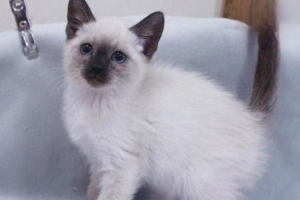
As cats age, odd behaviors may signal cognitive decline or brain atrophy. Watch for big swings in appetite, litter-box confusion and accidental soiling, sudden personality changes or aggression, and broken sleep. These warrant a prompt vet visit to find the right plan.