Search Results
172 results for “vaccination”
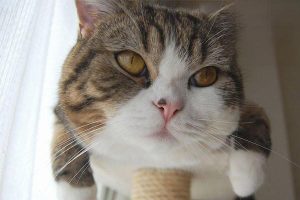
Vaccination Tips for Cats and Dogs
A smooth vaccination comes down to the right timing, honest health reporting, and careful aftercare. Knowing what to do before, during, and after the shot — and why boosters matter — protects your pet when its immunity briefly dips.

Can I Give My Dog Dewormer After Vaccination?
A dog can use a topical dewormer on vaccination day, but oral dewormers are best delayed about a week. Vaccines deliberately lower immunity while the body builds antibodies, so spacing out internal parasite treatment protects a stressed system.

Why Your Cat Won’t Eat After Vaccination
Low appetite, mild fever, or sleepiness after a vaccine are normal and fade in 1–2 days. Serious signs — facial swelling, vomiting, shock — need urgent care. Only vaccinate a healthy cat, disclose past allergies, and watch for 30 minutes post-shot.

How Long to Wait Between Deworming and Vaccination for Cats
Both deworming and vaccination protect your cat, but they shouldn't be done together—allow about two weeks between them. A vaccine builds antibodies only in a healthy cat, so doing both at once stresses the gut and can blunt the immune response. Vaccinate from 8 weeks of age once the cat is settled and well.
Free-Roaming Cats: The Pros and Cons
Free-roaming (letting a cat roam outdoors) has both upsides and downsides. The benefits are freedom, more exercise, and better mental health, the cat explores, satisfies curiosity, stays active and social, and is less repressed than a strictly confined one. But the outdoors carries real danger: traffic and fights with strays, exposure to bacteria, ticks, and fleas that raise skin and infectious disease risk (and can threaten the family at home), and the chance the cat wanders off and never returns. If you choose to free-roam, do it in a enclosed safe area, keep up deworming and vaccines, and fit a tracker. Weigh the trade-offs for your cat's personality and setting.
What Happens If You Don’t Vaccinate Your Dog?
Skipping vaccines puts a dog at real risk of deadly diseases such as rabies, distemper, and parvovirus, and an infected dog becomes a source that spreads illness to other animals and to people. Unvaccinated dogs may also be barred from shows, travel, and some city registrations, and can be fined or even seized. Core vaccines start at 6-8 weeks and repeat every 2-4 weeks until the series is done. Keep the dog healthy before each shot, watch for reactions afterward, and avoid baths until the course is complete.
Can Cat Flu Leave Lasting Effects After Recovery?
Feline rhinotracheitis (cat flu), caused by feline herpesvirus FHV-1, cannot be cured—the virus hides for life in the trigeminal ganglion and can reactivate whenever the cat is stressed, the season changes, or immunity dips. Most cats recover and live normally, but some are left with mild, manageable effects: a sensitive nose that drips in cold or dusty air, heavier tear staining from narrowed tear ducts, or—in high-risk cases—repeated flare-ups that can progress to chronic bronchitis or pneumonia. Good care (warm stable surroundings, humidity control, stress avoidance, balanced nutrition with lysine and vitamins, and regular vaccines) keeps recurrence rare. This article explains the sequelae, why only some cats get them, and how to minimize repeat episodes.

Why Is My Dog Dry Heaving?
Dogs dry-heave for many reasons, from a foreign object or irritation in the throat to parasites, indigestion, too much exercise, or illnesses like kennel cough and distemper. If a stuck object or irritation is the cause, removing it usually stops the heaving at once. When dry heaving comes with other signs such as fever, coughing, lethargy, or loss of appetite, see a veterinarian promptly to find and treat the underlying cause. Regular deworming and vaccination are the best long-term protection.

Can Canine Parvovirus Spread to Humans?
Canine parvovirus is a common, highly contagious dog disease that affects canids such as dogs, foxes, and wolves, but it does not infect people directly. Humans can still carry the virus on hands and clothing after touching an infected dog or its waste, spreading it to other dogs, so thorough disinfection matters. Parvo mainly attacks the gut and immune system, causing vomiting, bloody diarrhea, dehydration, fever, and weight loss, and is especially dangerous to puppies. Prevention through vaccination, isolation of sick dogs, prompt veterinary care, and thorough environmental cleaning is the best defense.

Are Teacup Dogs Easy to Care For?
Teacup dogs win fans with their tiny, cute looks and gentle nature, but they're fragile and low-immunity, so they need careful, attentive care. They're sensitive to temperature, so dress them warmly in cold weather, and keep up daily grooming—eye-stain cleaning and coat brushing—to stay clean. Feed a high-quality diet sized to them in controlled amounts to avoid obesity. Though small, their health needs are real: regular vet checks, vaccinations, and deworming are essential. With patience and the right know-how, they bring plenty of joy.