Search Results
15 results for “urolithiasis”

What Is Feline Urolithiasis (Cat Urinary Stones)?
Feline urolithiasis (urinary stones) is a painful lower-urinary-tract disease. Signs are frequent small urine, blood, genital licking, painful cries, and inappropriate urination; a blockage is fatal in 48–72 hours. Treat with catheterization, meds, water, and Rx food.

What to Do When Your Hamster Has Urolithiasis (Urinary Stones)
Urolithiasis is a urinary-tract condition more common in middle-aged and older hamsters, usually caused by excess dietary calcium. This guide covers causes, symptoms, dietary changes, and supportive care.

Urolithiasis (Urinary Stones) in Dogs and Cats
Urolithiasis is the presence of stones anywhere in the urinary tract - kidneys, ureters, bladder, or urethra - causing painful, difficult urination and blood in the urine. It is linked to diet, low water intake, mineral imbalance, and infection. Diet change, medication, or surgery removes the stones.

Dog Urinary Stones: Symptoms and Treatment
Canine urolithiasis is a common urinary disease, more often seen in older and senior dogs. Dogs with urinary stones are in great pain, showing difficulty urinating, blood in urine, and painful urination. Severe cases can endanger the dog's life and health, so owners should take the dog to the hospital promptly when they notice difficulty urinating, to avoid the condition worsening.

Feline Lower Urinary Tract Disease (FLUTD): Causes, Signs and Treatment
Feline lower urinary tract syndrome (FLUTD) is divided into obstructive and non-obstructive types. Obstructive means the urethra is fully or partially blocked. Within 2–3 days of complete blockage, urine retained in the bladder flows backward to the kidneys; this back-pressure suppresses glomerular filtration, causing waste and toxins to accumulate in the blood and leading to uremia. If not treated within 3–6 days, the cat can die. The non-obstructive type is milder; with prompt catheterization and proper daily care, it largely resolves on its own within a week.

What Is Feline Idiopathic Cystitis (FIC)?
Studies show three most common cat lower-urinary-tract diseases: FIC, urolithiasis, and UTI. The most common is 'FIC' — feline idiopathic cystitis.

Common Urinary Diseases in Cats and Dogs
Urinary disease in cats and dogs hits the urethra, bladder, and kidneys, causing pain, blockage, or failure. Know the main types, urethral injury and stricture, cystitis, kidney failure, and stones, and the usual antibiotic, diuretic, and surgical care.

Is a Cat’s Yellow Urine Just ‘Heat’?
Yellow, thick cat urine has several causes, not just heat — low water, pigments, liver disease, or a spraying tom. This guide covers the four common ones and when to see a vet.
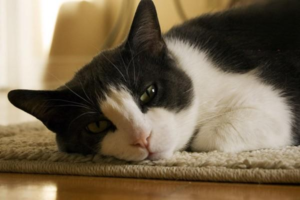
Is a Cat’s Yellow Urine with a Red Tint Serious?
Normal cat urine is clear and pale yellow. When it darkens and takes on a red tint, the cat may have a urinary tract infection, urolithiasis, or another lower-urinary problem that needs prompt veterinary attention.

How to Prevent Urinary Blockage in Cats
Urinary blockage in cats comes from narrow or inflamed tracts, stones, or infections, and can damage kidneys. Prevent it with plenty of water, exercise, and prompt vet care at the first sign of reduced urination.