Search Results
26 results for “urine analysis”
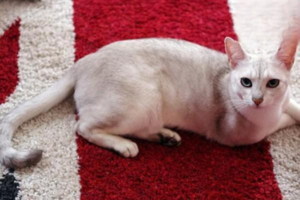
Why Is Your Cat Peeing Frequently? Causes
Frequent trips to the litter box with long squatting, sometimes with blood, signal feline pollakiuria. Causes range from disease and pregnancy to diet, heat, age, and stress; diagnosis and treatment depend on the cause.

What to Do When a Dog Has Urethral Discharge (Pus)
Canine urethral abscess results from urethral inflammation in dogs and requires prompt medication. Bacterial infection of the dog's urethral mucosa is also called a urinary tract infection, medically known as urethritis. Main symptoms include painful urination, urethral swelling, sensitivity of the urethral opening, redness and swelling of the urethral orifice, and difficulty inserting a catheter, more commonly seen in dogs.

Dog Urinary Stones: Symptoms and Treatment
Canine urolithiasis is a common urinary disease, more often seen in older and senior dogs. Dogs with urinary stones are in great pain, showing difficulty urinating, blood in urine, and painful urination. Severe cases can endanger the dog's life and health, so owners should take the dog to the hospital promptly when they notice difficulty urinating, to avoid the condition worsening.
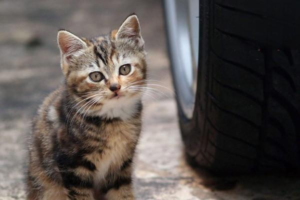
Cat Abnormal Bleeding: Diagnostic and Treatment Guide
Abnormal bleeding in cats needs a workup - history, CBC, biochemistry, urinalysis, X-rays, clotting studies, and more - to find the cause (infection, toxin, platelet disorder). Severe cases need IV fluids, transfusion, oxygen, and antibiotics.
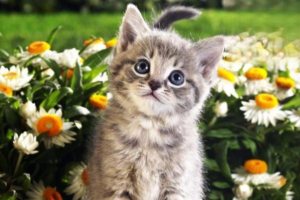
Feline Distemper in Cats: Symptoms, Causes, Diagnosis and Treatment
Feline distemper, also known as feline panleukopenia, is one of the most common acute infectious diseases in cats clinically. It is a highly contagious, febrile disease caused by parvovirus infection. Kittens have extremely high infection and mortality rates, and affected cats typically show sudden onset, markedly reduced white blood cells, high fever, anorexia, depression, vomiting, hemorrhagic enteritis, and severe dehydration.

Cat Lower Urinary Tract Infection: Symptoms and Treatment
Lower urinary tract infection is common in cats, with signs like refusing the litter box, straining with no urine, over-grooming the rear, or blood in urine. If your cat shows one or more and has trouble urinating, beware—severe cases need urgent vet care.

Why Is My Cat Lethargic?
Lethargy is a state of increased sleepiness, reluctance to move, or indifference to the surroundings, in which the cat responds with a delay to external stimuli such as auditory, visual, or tactile stimulation. Lethargy may also refer to reduced activity and general discomfort shown by an unwell cat.
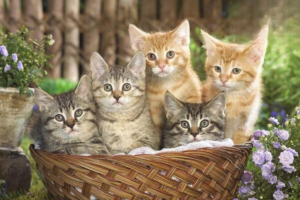
Cat Distemper (Feline Panleukopenia): Symptoms and Care
Feline panleukopenia is a deadly, highly contagious virus causing vomiting, diarrhea, and fever. No cure exists — treatment supports the immune system; vaccination is the best defense.

What Causes a Rabbit to Smell Bad?
Many people mistakenly think rabbits are smelly animals, and parents often refuse to let children keep pet rabbits for that reason. In fact, rabbits are very clean and do not smell even without frequent baths. This article explains the four common causes of odor in rabbits.
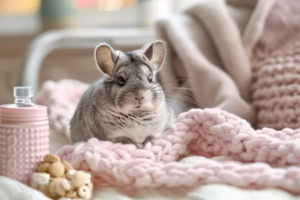
Common Bedding Options for Guinea Pigs
Common guinea pig bedding includes wood shavings, paper bedding, wood pellets, paper pellets, and pet pee pads. Choose by weighing absorption, odor control, safety if eaten, and cost — paper pellets offer the best overall balance, while wood shavings are cheapest but weaker on odor.