Search Results
627 results for “urination”
Do cats have periods (menstruation)?
Cats do not menstruate, but they do go into heat. Unlike dogs, they do not bleed from the vulva; instead they show vocalizing, restlessness, inappropriate urination and interest in mates.

Will Hitting a Cat Stop It From Peeing on the Bed?
Many cats develop a habit of urinating on the bed, and the strong odor of cat urine makes the smell linger even after cleaning, causing real frustration for owners. Some pet parents believe a quick swat will teach a lesson, but punishment rarely works. Most cats that are hit will hold a grudge and may urinate on the bed even more, or act out with scratching, sofa damage, or nighttime attacks. In truth, bed-wetting usually signals an underlying issue—heat cycles, stress, or a urinary or reproductive disease—not defiance. The right approach is to rule out medical problems, consider spaying or neutering, check the litter box, clean accidents thoroughly, and reward correct toileting. Guidance, care, and positive reinforcement, rather than punishment, are what truly resolve the behavior.

Why Is a Hamster Passing Red Urine?
Red urine in a hamster can come from several causes, so the reason must be identified before treating. Diet is common: dyes or pigment-rich foods such as tomato, watermelon, carrot, or grape, and organ meat can tint the urine. Urinary tract infection, bladder stones, kidney problems, uterine disease in females, and blood disorders such as parasites or leptospirosis can also cause blood in the urine. Offer plenty of water, adjust the diet, and consult a veterinarian if the cause is unclear or persists.

What to Do When Your Dog Is Too Thin
A thin dog can fall into two patterns: one that eats little and wastes away, and one that eats plenty yet still loses weight. The second is often more telling, because calories are going somewhere other than the body. Matching the pattern to the likely cause is the first step toward fixing it.

Caring for Your Cat During Spring Festival
For the holiday, plan your cat's care three ways. Staying home: stock ample dry food, extra water (evaporation and spills happen) and thick cat litter - one cat wants about three boxes; lay waterproof pads on sofa and bed in case of stress-peeing. Road trip: use a spacious airline crate (not a cat bag for long drives), let the cat adapt to it beforehand with treats and a blanket that release calming pheromones, pack pee pads and wipes, shield shy cats from view, and drive gently since cats get carsick. Boarding: ensure vaccines are current, pick a cat-dog separated, larger space, bring familiar items and pheromone gear. Not all cats suit this - under-six-month kittens, medicated or chronic cats, pregnant or post-birth cats need special care. After return, wait 2-3 days before bathing, and watch for blockage (a post-holiday high-risk period).

When Cat Peeing Around the House Means a Blockage
A cat suddenly urinating in odd places can signal a dangerous urinary blockage. Warning signs: pink or clear urine, frequent attempts, straining, blood, low meowing in the box, over-grooming the genitals, a sensitive belly, and only drops when the bladder is pressed. Blockage means urine output stops - under 1 mg/kg/hr is oliguria, none is a blockage. Causes: urethral or bladder stones (acid urine favors calcium oxalate, alkaline favors struvite), lower urinary tract syndrome (bacterial cystitis, urethral plugs that can kill in 1-2 days, or idiopathic cystitis that self-heals in 7-14 days if not blocked). A full blockage needs immediate vet catheterization - over 24 hours causes acute kidney failure. Prevent with more water, fewer mineral treats like dried fish, clean litter, and less stress.

How to Stop Your Dog From Peeing Everywhere
A dog treats the whole world as its toilet, but at home that is unacceptable - and scolding alone never works because the dog simply does not know. Inappropriate urination has many roots: territory marking (common in adult males), no house-training, revenge moved to the sofa after being yelled at, unclear home boundaries, attention-seeking, fear from abuse, post-neuter incontinence, or illness. The fix is patient positive training: indoor spot training, outdoor training, and never hitting the dog. Holding urine over eight hours harms the kidneys, so leash up and clean up on walks.

What to Do When the Skin Around Your Dog’s Privates Is Red
When the skin around a dog's urination area is red, first tell whether it is a male or female. In males it is usually a urinary tract infection; in females it may be a normal heat cycle. If it is inflammation, the dog is uncomfortable and licks often, so fit an Elizabethan collar to stop the licking from worsening the redness. Causes include bacterial UTI and normal estrus, and a vet visit confirms the cause and the right care.

Bad Breath in Cats: Causes and What to Watch For
An occasional whiff after a meal is normal, but constant cat bad breath points to an underlying problem. The causes run from simple plaque to digestion, mouth ulcers, kidney disease, and even diabetes, each with its own clue. Knowing what to look for helps you act before a minor issue becomes a serious one.
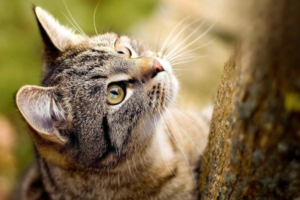
Diagnosing and Treating Feline Idiopathic Cystitis (FIC)
Feline idiopathic cystitis, or FIC, is a common lower-urinary-tract disease in cats whose exact cause is still unknown, yet it is the single most frequent diagnosis in young cats, affecting roughly 50 to 60 percent of cases. It is linked to a defective bladder lining, nerve-driven inflammation, and stress. Because there is no single definitive test, veterinarians diagnose it by exclusion, using the history, urinalysis, blood chemistry, and ultrasound. Most episodes ease on their own within five to seven days, but treatment focuses on pain relief, protecting the bladder lining, litter-box management, more water, prescription food, and reducing stress.