Search Results
200 results for “urinary tract disease”

Causes and Symptoms of Common Feline Urinary Tract Diseases
The most common feline urinary signs are abnormal urination and discolored urine — straining, incontinence, or brown urine — and they tie to low water intake, stress, and obesity. Watch for frequent litter-box trips, blood in urine, and pain, and see a vet at once to avoid kidney failure.

Feline Lower Urinary Tract Disease
Feline lower urinary tract disease, also known as feline urinary syndrome, is not a precise diagnosis; it includes a series of clinical symptoms: hematuria, frequent trips to the litter box with very little urine each time, difficulty urinating, urethral blockage, anuria, frequent licking of the urethral opening, and irregular urination outside the litter box.

How to Treat Feline Lower Urinary Tract Disease (FLUTD)
Today's topic: feline lower urinary tract disease (FLUTD), a condition common in both male and female cats.

Feline Lower Urinary Tract Disease (FLUTD): Causes, Signs and Treatment
Feline lower urinary tract syndrome (FLUTD) is divided into obstructive and non-obstructive types. Obstructive means the urethra is fully or partially blocked. Within 2–3 days of complete blockage, urine retained in the bladder flows backward to the kidneys; this back-pressure suppresses glomerular filtration, causing waste and toxins to accumulate in the blood and leading to uremia. If not treated within 3–6 days, the cat can die. The non-obstructive type is milder; with prompt catheterization and proper daily care, it largely resolves on its own within a week.

Daily Tips for Preventing Feline Urinary Tract Disease
Winter brings dry cold weather and a peak season for cat urinary problems. Please take note - here are a few tips for reference.

Common Feline Urinary Tract Diseases
Urinary diseases affect a cat's urinary system — urinary tract infection, cystitis, stones, renal failure and more. Here are the symptoms and causes.

Why Do Cats Develop Urinary Tract Diseases?
Feline urinary tract disease includes infections, stones, and kidney or bladder inflammation, usually showing as frequent, urgent, bloody, or blocked urination with pain. Ensure a balanced diet, plenty of water, regular checkups, and a clean environment to prevent it.
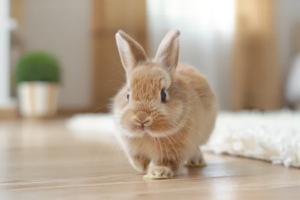
Common Urinary Tract Diseases in Rabbits
Rabbits often face urinary infections, urethral stones, and bladder stones, mostly from bacteria, low water intake, or too much calcium, while unspayed females are prone to uterine cancer. Infections show as incontinence and leaking; stones cause painful urination, blood, curling, teeth grinding, and can fully block the urethra. Bladder stones need fluid flushes and repair; urethral stones require surgery; uterine cancer needs tumor removal plus medication. Lower the risk by spaying early, keeping the habitat clean, ensuring ample water, and balancing the diet to avoid excess calcium.

Why Cats Are Prone to Kidney Disease
Cats evolved in the desert with a weak thirst drive, so they get most of their water from food — dry diets leave them prone to dehydration and urinary crystals. Acute kidney injury usually comes from poisoning or blockages (lilies, chocolate, xylitol, swallowed objects), while chronic kidney disease shows up as extra drinking and weight loss that owners often mistake for improvement. There's no cure for CKD, but early diagnosis keeps it manageable.

Understanding Kidney Disease in Cats
Cats are built to conserve water, so chronic kidney disease is nearly universal in older cats and a leading cause of illness. Watch for early signs like increased drinking and urination, keep water and wet food available, and catch problems early with routine blood and urine tests.