Search Results
31 results for “urinary incontinence”
Why does a dog suddenly have urinary incontinence?
Sudden incontinence can come from age, congenital urinary issues, anxiety, or infection; senior dogs and anxious dogs are especially prone.
What causes urinary incontinence in a puppy?
Puppies are timid and easily stimulated, and may lose bladder control from fear or overexcitement. Also, incontinence can occur with nephritis, urethritis, cystitis, kidney stones, urethral stones, or bladder dysplasia. Neurological problems can also cause it. If illness is suspected, take the puppy to a vet for diagnosis and treatment promptly.
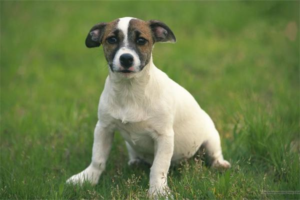
What Is a Dog Urinary Tract Infection?
Dog urinary tract infections are usually caused by bacteria, urine retention, or low immunity, with signs like difficult, frequent, or urgent urination, sometimes blood or incontinence. Diagnosis is by urinalysis; treatment is antibiotics plus plenty of water. Keep the genital area clean and avoid prolonged holding of urine.

How to Manage Incontinence in Senior Dogs
Senior-dog leakage (incontinence) may be physical (aging sphincters, low antidiuretic hormone), disease-related (cystitis, stones, tumors, prostatitis), or behavioral. Get a vet work-up (ultrasound, blood, urinalysis), feed a low-salt easy-to-digest diet, keep things clean, use pads, and support the dog's mood.
Your Dog’s Urinary Tract Troubles
Lifting a leg to mark is normal, but uncontrolled dribbling or frequent tiny urinations may mean urinary stones or infection. Watch for pain, abnormal or discolored urine, incontinence, and odor. Care includes vet urine tests, more water, more walks, diet changes for stones, and never self-medicating.
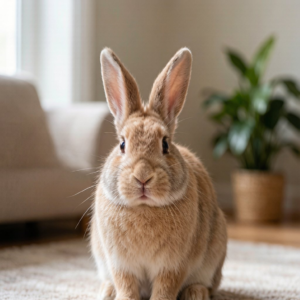
Common Urinary Tract Diseases in Rabbits
Rabbits often face urinary infections, urethral stones, and bladder stones, mostly from bacteria, low water intake, or too much calcium, while unspayed females are prone to uterine cancer. Infections show as incontinence and leaking; stones cause painful urination, blood, curling, teeth grinding, and can fully block the urethra. Bladder stones need fluid flushes and repair; urethral stones require surgery; uterine cancer needs tumor removal plus medication. Lower the risk by spaying early, keeping the habitat clean, ensuring ample water, and balancing the diet to avoid excess calcium.

What to Do When Your Dog Has Urinary Stones
Urinary stones — in the kidney, ureter, bladder, or urethra — show up as strained, painful, or bloody urination. Knowing the stone type and location guides whether dissolution, diet, medicine, or surgery is the right call.
How long will a cat be incontinent after catheterization?
After catheterization a cat usually has mild incontinence lasting 1-3 days, easing as the urinary tract elasticity recovers. Prevent infection with vet-prescribed anti-inflammatories, and comfort the cat to stabilize its mood.
What happens if a dog eats chocolate?
A dog that eats chocolate can be poisoned, showing nervous sensitivity, anxiety, excitement, excessive thirst, diarrhea, incontinence, rapid breathing, vomiting, intermittent convulsions, twitching, and a racing heartbeat. Large amounts can later cause cardiac arrest and death. Ordinary chocolate may not contain real theobromine but is still not recommended for dogs.
What are the symptoms of heart disease in dogs?
Dogs with heart disease often show labored or rapid breathing with a heaving belly, and coughing that ranges from brief to continuous and can leave them gasping. They may whimper anxiously. In late stages, incontinence, convulsions, and fainting appear.