Search Results
403 results for “upset stomach”

Complete Summer Pet Care Guide
Summer raises five common risks for pets, heart trouble, colds, skin disease, heatstroke, and stomach upset, so manage exercise, cooling, and food hygiene carefully. Keep water available, avoid midday walks, and never leave a pet in a parked car.

Why Cats Get Diarrhea When the Weather Changes Suddenly
Cats are sensitive to abrupt temperature swings, and a sudden cold snap can trigger stress-related diarrhea as gut motility speeds up. At home, keep their bedding warm, skip frequent winter baths, and use a cat probiotic mixed into food or warm water to steady digestion and rebalance gut flora.

Why Dogs Chase Their Tails: Six Reasons Behind the Habit
Tail-chasing is rarely just a quirky game — it can mean boredom, a cry for attention, fleas or parasites, or an inflamed anal gland a dog cannot otherwise reach. In some dogs it becomes a compulsive loop, and a Husky may simply be being a Husky, but persistent spinning deserves a closer look.

Can You Feed Adult Dog Food to a Puppy?
Puppies need more protein and softer food than adults, so adult kibble — dry, hard, and nutritionally lighter — leaves a young dog underfed and prone to indigestion and diarrhea. Soak a proper puppy formula in warm water and feed it in about four small, fixed-time meals a day to protect a still-fragile gut.

How to Choose a Cat Bed
A good cat bed beats the summer heat without chilling the gut — rattan half-moon and crown beds are breathable and easy to wash, while cooling mats and hammocks let a cat beat the warmth safely (cats that sprawl on tile floors risk stomach upset). Add a clingy-cat 'cat table' for bonded time, and pick bite-resistant rattan toys with bells to keep a home-alone cat busy.

Why Your Cat Throws Up Undigested Kibble
When a healthy cat on a hairball regimen vomits only its food, the usual culprits are bad or abruptly changed kibble, overeating, eating too fast, or an underlying gut problem. Switch foods gradually over a week, portion the meals, slow the eating with a puzzle bowl, and see a vet if lethargy or diarrhea joins the vomiting.
Which Insects Are Harmful to Cats
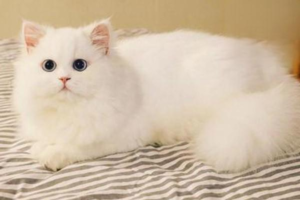
Many insects are harmless to cats, but spiders, stinging bees, venomous caterpillars, centipedes, scorpions, and fire ants can poison or injure them, and the chemicals used to kill pests are often more dangerous than the bugs. Monthly flea, tick, and heartworm prevention plus pet-safe products are the best protection.

How to Feed a Kitten: Schedule, Diet, and Foods to Avoid
Kittens need frequent small meals of quality kitten food — at least three a day under six months — with fixed times and a clean, quiet spot to eat. Never give cow's milk (most cats are lactose intolerant), cooked bones, chocolate, grapes, onions, or raw meat and eggs; switch to adult food gradually over 5 to 7 days around the first birthday.

How to Feed Your Cat
Good feeding comes down to three rules: never overfeed, never serve expired or toxic food, and never feed by mood. A dog's stomach is more delicate than ours, so portion control — about 70 to 80 percent full, on a fixed schedule — protects it from gastritis and picky eating, while steady routines keep both body and mood healthy.

Treating Vomiting in Pets by Stage
Pet vomiting splits into stages: early on it is simple indigestion from spoiled food, fast eating, or a diet change, with normal energy; left alone it becomes gastritis (yellow or foamy vomit, then dullness and weight loss); severe cases are gastroenteritis with blood, weakness, and diarrhea. Treatment moves from gentle stomachics and probiotics to metoclopramide and ethamsylate for vomiting and bleeding, plus rehydration.