Search Results
403 results for “upset stomach”

Why Does Your Cat Love Drinking from Your Cup?
A cat may prefer your cup for several reasons: it likes fresh, clean water and may snub a stale bowl; moving water catches its eye; and it may be mimicking you. Keep its bowl water fresh and clean, and in cold weather offer warm water, to encourage drinking — dehydration raises the risk of urinary stones.
Which Dogs Should Eat Low-Fat Food?
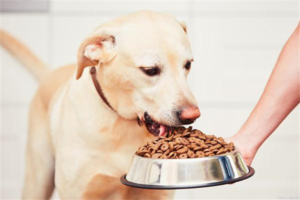
Low-fat dog food suits dogs that need to cut back on fat: overweight or obese dogs, those with pancreatitis and similar illnesses, seniors, low-activity dogs, and dogs with sensitive stomachs. Healthy dogs can have some, but not as a long-term staple, since too little fat can harm the skin, coat, and immune system.

What to Feed a Dog Recovering from Diarrhea?
During recovery from diarrhea, feed easily digested, high-carb, low-fat foods such as plain rice, broths, boiled chicken, cooked vegetables, and yam, in small frequent meals. Add probiotics or a gastrointestinal prescription diet, and avoid greasy, spicy, caffeinated, or allergenic foods; see a vet if symptoms persist.
Does More Eye Discharge After Changing Dog Food Mean the Food Is Bad?
Extra eye discharge after switching dog food does not automatically mean the food is low quality — it can be a mild adjustment reaction, a food intolerance, or something unrelated like blocked tear ducts or an ear infection. Some foods are high in salt, and if your dog drinks little, this can cause 'inner heat' with more discharge, bad breath, and dry stool. Rule out the food by checking the label, watching overall health, and if discharge is thick, colored, or lasts over a week, see a vet.
Watch Out: Common Food Allergens for Dogs
Common dog food allergens include beef, chicken, dairy, grains (wheat, rice, corn), legumes, lamb, and eggs; reactions can show as skin redness, itching, rashes, hair loss, soft stool, diarrhea, vomiting, eye redness, tearing, sneezing, or runny nose, and in severe cases can be fatal. To find the culprit, start with an ultra-hypoallergenic commercial diet, then add one new ingredient at a time and watch for 1–2 weeks, stopping any that triggers symptoms.
How to Choose the Right Chinchilla Food
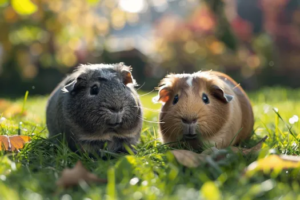
Choose chinchilla pellets by checking the ingredients (16–20% plant protein, at least 18% fiber, 2–5% fat), picking reputable brands, verifying freshness, and matching the formula to your pet's age and health. Transition to new food gradually and supplement with hay for fiber and dental wear.
Is a Cat Bed a Must-Have or Just a Gimmick?
A cat bed isn't a gimmick, but it's not strictly necessary either — it depends on the cat. A good bed gives a sense of security and warmth in winter, beyond just a place to sleep. If your cat ignores the bed, don't force it; a box, blanket, or pet mattress works too. Choose soft, warm, breathable natural materials like short plush or felt, and pick a size about 1.5 times the cat's body length — cats like a snug wrap and a too-big bed feels insecure.

How to Prevent Cat Car Sickness
Cat carsickness is motion sickness driven by conflicting signals from the inner ear, eyes, and body sense, made worse by a cat's natural anxiety about the unfamiliar car environment. You can prevent it by acclimating your cat to its carrier and a stationary (then running) car with treats, securing a roomy carrier in the gentlest seat, driving smoothly with regular 1–2 hour breaks, withholding food 4–6 hours before travel, and using vet-approved motion-sickness medication when needed.
Do You Have to Transition When Switching Cat Food?
To be safe, always transition cat food gradually. A cat's simple diet builds gut flora matched to the old recipe; a sudden new formula can overwhelm it, causing poor digestion and stomach upset. Timid cats may also stress — refusing food, hiding, even accidents. The '7-day method' works best: 80/20 for days 1–2, 60/40 for 3–4, 40/60 for 5–6, 80% new by day 7, fully switched on day 8. Extend to 10–14 days for kittens, seniors, or sensitive stomachs. Skip the transition only if your cat has an iron stomach or the old food has run out — then add probiotics. Stop and revert at any sign of soft stool or vomiting.
My cat had loose stools after eating thawed canned food and is now lethargic with no appetite
Sudden canned-food change can cause gastroenteritis; fast briefly, use probiotics and anti-diarrhea meds, and see a vet if it worsens.