Search Results
202 results for “upper respiratory infection”

What to Do When Your Cat Has a Respiratory Infection
Feline respiratory infections bring sneezing, nasal discharge, congestion, and coughing, and need prompt care. Mild cases respond to supportive treatment, while yellow discharge points to a more serious upper-respiratory infection.

Why Your Blue Cat Keeps Sneezing
Occasional sneezing in cats is usually harmless, but frequent sneezing can signal an underlying problem. Common causes include nasal sensitivity to dust or chemicals, upper respiratory infections such as cat flu, foreign objects in the nose, and dental disease. Keep the environment clean and see a vet if sneezing is persistent or accompanied by discharge.
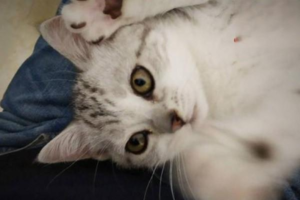
Kitten Cold: Symptoms and the Right Response
A kitten 'cold' is usually an upper respiratory infection — sneezing, runny nose, fever, watery eyes — driven by chill and weak immunity, and sometimes herpes or calicivirus. Keep it warm, boost nutrition (lysine, taurine), and see a vet if temperature tops 39.5°C.

Is a Rabbit’s Sneezing Caused by a Cold?
Rabbits sneeze for several reasons — a brief irritant, an upper respiratory infection, or an allergy. This guide separates the harmless from the infectious so you know when to treat.

Is Your Dog Sick If Its Nose Is Running
A dog with a runny nose is not automatically sick - mild cases often clear up on their own, so do not panic. But watch for loss of appetite, cough, vomiting, or loose stool, which mean something more serious. The discharge type is a clue: clear watery fluid suggests a cold or rhinitis; thick egg-white mucus points to an upper respiratory infection or bronchitis; yellow-white sticky mucus signals sinusitis; pus-like, pasty discharge suggests distemper, pneumonia, or bronchitis; and blood-tinged or foamy fluid warns of lung bleeding, edema, or congestion. If it is only a simple cold, keep the dog warm, give water, and a little children's-dose banlangen or antiviral oral liquid for about three days - but stick to a child's dose.
Frequent sneezing, stuffy nose, pus-like nasal discharge with blood streaks
Sneezing, stuffy nose, and pus-like discharge can come from upper respiratory infection, viruses, or bacteria. First see a vet to confirm the cause. If a visit is hard, give amoxicillin/clavulanate at home. If it does not improve, take the cat to a vet.
My Persian cat recently sneezes often with more eye discharge; started clear, later yellow-green; red, swollen gums; heavy drooling; appetite dropping; urination/defecation normal.
Persian cats' sneezing and eye discharge signal upper respiratory infection from herpes, calicivirus, mycoplasma, etc. Short noses make tear-duct blockage common, but appetite loss and drooling point more to rhinotracheitis/calicivirus. Get a PCR respiratory panel.
Last night it started coughing, like wanting to vomit but couldn’t; this morning I gave half an amoxicillin and a cap of children’s cough syrup, then it got diarrhea.
Coughing with diarrhea may be upper respiratory infection, digestive issues, virus, or parasites. See a vet; don't keep dosing since symptoms didn't improve.
Can a cat’s rhinotracheitis be cured?
Cat flu is curable; it's an upper respiratory infection from feline herpesvirus, with a high cure rate if treated promptly. Some carriers never show symptoms. Treat with antibiotics, antivirals, lysine, and good nutrition.
What Medication Works Fast for Feline Rhinotracheitis (Cat Flu)?
Cat flu is an upper respiratory infection usually treated with antivirals, antibiotics, and lysine. Amoxicillin reduces inflammation, while lysine and drugs like famciclovir suppress the virus. Severe cases need interferon injections at a vet.