Search Results
1584 results for “type 2”

Why Is My Dog’s Skin Turning Black
Skin issues plague many owners—dogs easily get them, in many types. An owner asked why their dog's skin turned black. Here are the reasons and some prevention tips.
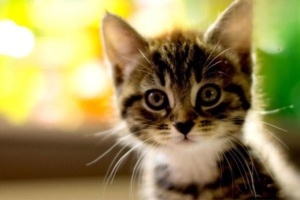
How Melanoma Affects Cats
Feline melanoma can be benign or malignant. It is often confused with lentigo simplex, but they differ. Benign has little effect but needs removal to prevent worsening; malignant has a larger impact, possibly causing local necrosis. Here are the details.
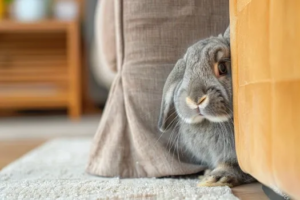
Preventing and Treating Rabbit Enteritis in Autumn
Enteritis is a key autumn risk for rabbits—warm, humid early autumn fuels pathogens and moldy feed. This guide breaks down parasitic, bacterial, toxic, and stress-related enteritis and how to prevent each.

Why Dogs Scratch Their Eyes Constantly
Constant eye-scratching usually means irritation—ingrown lashes, inflammation, a foreign body, or periorbital skin disease. Find the cause at a vet and always use an Elizabethan collar to stop the scratching.

Puppy’s Skin Around the Eyes Is Red—What to Do
Red skin around a puppy's eyes can come from periorbital dermatitis, allergies, or irritants. Identify the cause—skin scrape, allergy testing, or eye wash—and always use an Elizabethan collar if the puppy scratches.

Feline Coronavirus and FIP: Understanding the Connection
Feline infectious peritonitis (FIP) is caused by a mutated feline coronavirus. It is not actually contagious, but it is serious. This guide covers what FIP is, its dry and wet forms and symptoms, and what to do if a cat is infected.

Brushing Your Rabbit’s Coat
Rabbits molt heavily every few months, so regular brushing prevents hairballs and keeps the coat healthy. Use a rabbit pin brush (or a damp towel for reluctant rabbits) and brush daily during shedding season.

When Is the Best Time to Litter Train Your Rabbit?
Litter training a rabbit works best before sexual maturity—ideally before three months of age, while the rabbit is still receptive to learning. This guide covers the ideal timing and a step-by-step method to teach your rabbit to use a designated toilet area.

How to Help a Thin Cat Gain Weight
A thin cat may be underweight due to genetics, poor diet, parasites, digestive disease, or dental issues. Rule out illness with a vet first; then raise the diet's nutritional density, feed small frequent meals, and add gentle play to boost appetite and build a healthy body.

What Causes Intestinal Intussusception in Dogs?
Intestinal intussusception in dogs is mainly caused by intestinal stasis, twisting, or prolapse, and playful puppies with big appetites are especially prone. Over-hunger, cold milk, poor food, and cold water can trigger it, as can secondary diseases. Symptoms include vomiting, abdominal pain, and appetite loss; seek veterinary care promptly to avoid a life-threatening blockage.