Search Results
1584 results for “type 2”

The Right Way to Feed Dog Treats
What makes a dog fat? Beyond excess kibble and too little exercise, the most common cause is treats—their excess nutrition silently fattens your dog. So how many treats a day? AAFCO defines treats as not meeting daily nutritional needs but meant to encourage the dog and reinforce training. In reality dogs love high-fat, sugary things, so popular treats add lots of fat and sugar—they are a double-edged sword: they make the dog obey but also make it fat. How many? No standard answer; age, health, and breed matter, but the international rule is treats under 10% of daily calories. Don't fret over the math—most treats should be given only 1–2 times daily. Types: high-nutrition treats (meat, cheese, liver) — 1 time daily; ordinary nutrition treats (biscuits that look light but are high-calorie—check the label) — 2 times daily. When to give: anytime, but the best time is between meals so calories release better; if your dog eats three meals, give in the afternoon, not at night.

What to Do When Your Cat Has a Sensitive Stomach
Vomiting has clear causes: regurgitated kibble means eating too fast or too much (slow it with set meals; soften for kittens); hairballs need daily brushing and cat grass; bile from an empty stomach needs small frequent meals; blood means inflammation or a sharp object—go to the vet. For soft stool, withhold food and water a day and give probiotics. Underlying causes include skipped deworming (internal every 3 months, external monthly) and bad habits: too many salty snacks, abrupt food changes (transition over 7 days), and mixing new food into old.

When Should a Kitten Start Deworming?
Even indoor cats can pick up fleas, mites, tapeworms, and roundworms, and a heavy parasite load harms the skin, gut, and normal growth—so a regular deworming schedule matters from a young age. Preventive treatment can begin as early as two to three months, while an active infection needs a targeted, gentle product suited to a kitten's sensitive stomach. This guide covers when to start, how often to repeat, and the key precautions around bathing and vaccines that every cat owner should know.

How Long Between a Cat’s Vaccination and Deworming?
Kittens are due for both vaccines and deworming around two months of age, and doing them together raises the risk of allergy or vaccine failure. The safe rule is to separate the two by at least a week. Vaccines briefly lower the cat's resistance while they build antibodies, and dewormers carry a small toxicity that the body tolerates only when healthy. This guide explains the interval and the practical cautions for both procedures so your cat stays protected without setbacks.

Can Dogs Drink Alcohol?
A dog's body cannot metabolize alcohol, so for a dog, any alcoholic drink is poison. Whether baijiu or beer, the active agent is ethanol; if ethanol is the main threat to a dog's health, the other ingredients are accomplices—the enzymes in wine, for example. Dogs do not 'like' alcohol; from a dog's view these liquids that help humans forget their worries are just odd-smelling substances. After ingestion a dog quickly shows drunkenness: loss of coordination, drooling, racing heart, low temperature, dropping blood sugar, weakness, even coma. Unlike humans (who often die from aspirating vomit), 99% of dogs die from respiratory failure as the body mobilizes everything to break down ethanol, then breathing slows and stops. The best rescue window is 20–40 minutes—get to a vet, do not induce vomiting at home. Even survivors can suffer kidney, liver, or heart failure. Spirits, wine (grapes are toxic to dogs), and beer (most dogs are allergic to hops) are all dangerous.

Choosing the Right Cat Litter
Cat litters split into non-biodegradable (inorganic) and biodegradable (organic). Inorganic: fuller's earth (clay, non-clumping, but flushable), bentonite (clumps well but dusty and heavy, fragrance-added), silica/crystal (absorbent, low clumping; some have cobalt chloride or pH indicators—avoid long-term cobalt use), ceramic and zeolite (reusable, need a double box). Organic: plant litters (pine, paper) and grain litters (tofu, corn, wheat)—light, flushable, clumping, but watch mold/mycotoxin risk and don't believe 'edible' claims. Pick by your cat's needs and a flushable, low-dust preference.

How to Choose a Cat Breed
A 'pedigree' cat is one shaped by planned crosses and recognized by a registry—largely a commercial matter. Common breeds: American Shorthair (sturdy, calm), British Shorthair (round face, sweet), Chinese Li Hua (independent, a great mouser), Siamese (vocal, clever), Persian (long-haired, gentle), Exotic (flat face, prone to breathing/eye issues), Norwegian Forest and Maine Coon (large, adventurous, not ideal strictly indoors), and Ragdoll. Match temperament and your home to the cat, and beware breeds with known genetic problems.

Internal Parasites in Turtles: Tapeworms and Roundworms
Tapeworms and roundworms are two of the most common internal parasites in turtles, and telling them apart matters because the treatment differs. Tapeworms steal nutrients in the gut and shed visible segments in the stool; roundworms come in many forms and can block the intestine when severe. Both are diagnosed through fecal exams and treated with specific dewormers plus gut support. This guide outlines the symptoms of each and the practical medication and aftercare steps to clear them.
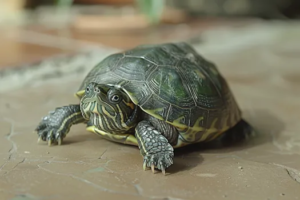
Internal Parasites in Turtles: Flukes and Protozoa
Flukes and protozoa are among the more common internal parasites in pet turtles, and knowing their signs helps you act before they drain your turtle's health. Flukes lodge in the liver, pancreas, and gut, causing appetite loss and bloody stool, while protozoa such as amoebas inflame the intestine and often trigger bacterial enteritis at the same time. Both are diagnosed through fecal checks and treated with specific dewormers plus gut support. This guide lays out the symptoms and the matching treatment for each parasite.

How to Deworm Your Cat
Both indoor and outdoor cats can catch parasites—external ones (fleas, lice, ticks, mites) and internal ones (hookworm, tapeworm, roundworm, heartworm, toxoplasma). Dewormers split into internal (by weight, oral) and external (by weight, topical, never let the cat lick). Indoor cats with no outings need only every 3–4 months; rotating products reduces resistance. Human dewormers with the same active ingredient (e.g., albendazole) can work and are cheaper, dosed by content—but check with a vet first.