Search Results
1584 results for “type 2”
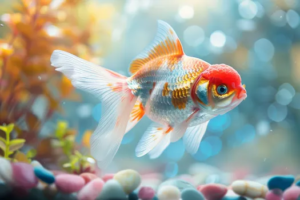
Why Is Your Ornamental Fish Turning White?
When an ornamental fish starts turning white, it is usually a sign of trouble. Common causes include fungal or parasitic infections such as saprolegniasis, neon-tetra disease, or white spot disease; poor water quality with high ammonia or low temperature; unbalanced nutrition; or simply genetics in fish that are naturally pale. Check for lethargy and appetite loss, test and stabilize the water, and feed a proper species-specific diet. If illness is the cause, consult a veterinarian for timely treatment.
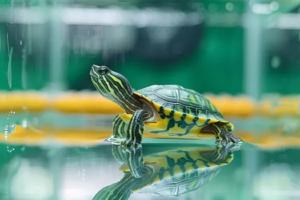
How to Feed and Choose Turtle Pellets
A proper diet is the key to a healthy, long-lived turtle. Choose high-quality pellets made from fresh fish and shrimp and matched to your turtle's species and feeding habits, then control the amount and frequency of feeding. Beyond pellets, offer fresh fruit, vegetables, and greens for extra nutrition—but never chocolate, onions, or other harmful foods. Soaking pellets for 10 minutes before feeding small turtles under 10 cm aids digestion, and rotating brands keeps the diet varied so your turtle doesn't turn picky. A little attention to feeding goes a long way.

Can Cats Eat Seafood?
Cats can eat seafood, but only the right kinds and in strictly controlled amounts—otherwise you risk digestive upset or even poisoning. Not every seafood is safe: squid, octopus, shellfish, and sea crabs are best avoided. When feeding shrimp, remove the head, tail, shell, and vein first. Freshwater fish like salmon and cod are good choices, rich in quality protein and amino acids. Some cats are allergic to seafood, and heavy metals such as selenium and mercury in certain types can harm the nerves and liver, while shellfish may carry parasites or cause choking and blockage. Always watch the portion size, because a cat's digestion is delicate and any food in excess can backfire.
What do ladybugs eat?
Ladybugs are beneficial insects divided into predatory, fungus-eating and plant-eating types. The familiar seven-spotted ladybug is predatory, feeding on aphids, scale insects, mites and similar pests.
What do betta fish eat?
Bettas eat brine shrimp, bloodworms, daphnia, tubifex and insect larvae, plus some vegetable matter and commercial pellets. Vary the diet and use floating food; don't overfeed plant matter.

Why Is Your Dog’s Nose Running
Dust, other irritants in the nose, or a sudden change in weather can all make a dog's nose run, and that is usually harmless. But thick, pus-like discharge with fever or cough, constant drooling, lost appetite, or a changed environment are reasons to pay attention. The discharge itself tells a story: thick mucus hints at bacterial or viral infection, thin watery fluid points to rhinitis or an upper respiratory infection, and pus suggests inflammation with pus formation. Many conditions can cause it - drug or food poisoning, food allergy, pulmonary edema, nasal stenosis, sinusitis, rhinitis, heartworm, canine flu, adenovirus II, infectious hepatitis, and distemper. The simplest check is to wipe the dog's nose with a tissue and look at the result.

Common Causes of Coughing in Dogs
Coughing in dogs most often points to a problem in the respiratory system, but it can also come from heart disease, infectious illness, a swallowed object, or even a fracture. Watching the type of cough - wet, dry, weak, or continuous - and noting whether the dog also loses appetite, runs a fever, or has nasal discharge helps you and your vet pin down the cause. A wet cough with phlegm suggests airway disease, a harsh dry cough may be kennel cough, a weak cough can mean pneumonia, and a repeated dry cough may signal heart trouble. Many conditions from roundworms to heart failure, tracheal collapse, pneumonia, and distemper can all show up as coughing, so persistent or severe cases deserve a veterinary check.

Symptoms of Canine Leptospirosis
Leptospirosis is a serious dog disease caused by Leptospira bacteria - also called infectious jaundice or hemorrhagic jaundice - that spreads through skin, mucus membranes, and contaminated food or water, often peaking in summer and early autumn. Two forms stand out: one brings sudden fever, vomiting, dark bile-colored urine, yellow gums, and bleeding, while the other causes vomiting and bloody diarrhea with mouth ulcers and a death rate of 60-80 percent in acute cases. Diagnosis uses microscopy, culture, and blood tests, and treatment pairs antibiotics with liver and fluid support. Clean housing, rodent control, quarantine, and the two-type vaccine are the key preventives.

What Is Canine Botulism
Canine botulism is an acute, often fatal poisoning that occurs when a dog eats the toxin produced by Clostridium botulinum - usually in rotting carcasses or contaminated food and water. It mostly strikes in summer, with signs appearing just hours later. The classic picture is a progressive, symmetrical paralysis that creeps from the hind legs forward while the dog stays alert with a normal temperature; severe cases end in breathing failure. Diagnosis depends on finding the toxin in food, tissue, or blood, and treatment combines antitoxin with washing out the gut. The simplest defense is never feeding spoiled meat and boiling feed before use.

What Is Canine Salmonellosis
Canine salmonellosis is a group of infections caused by bacteria of the Salmonella genus, which can affect both dogs and people. Dogs pick it up from sick animals, contaminated food and water, or even healthy-looking carrier dogs, and the illness ranges from silent carriage to severe, life-threatening septicemia in young puppies. Signs include fever, vomiting, watery or bloody diarrhea, and rapid dehydration. Diagnosis relies on culture and identification of the bacteria from stool or organs, and treatment pairs antibacterial drugs with fluid and symptom support. Careful food handling and a clean environment are the cornerstones of prevention.