Search Results
1584 results for “type 1”

What Causes Abnormal Bleeding in Cats
Abnormal bleeding in cats is also called feline coagulopathy, occurring when normal bleeding happens due to a clotting disorder. This article explains why cats bleed abnormally.

What Is Feline AIDS and Its Symptoms
A cat with feline AIDS is also nicknamed a 'prodigal cat,' and for good reason. This article explains what feline AIDS is and the symptoms a cat shows if infected.

Causes and Treatment of Abnormal Bleeding in Cats
There are many causes of abnormal bleeding in cats, including diseases related to platelets, clotting factors, or blood vessels. Although these diseases are uncommon in cats, they can occur at any age or breed. This article explains the causes of abnormal bleeding in cats and how to treat it.

Summer Mosquito Precautions for Cats and Dogs
Summer mosquito bites bother people; hateful mosquitoes are everywhere, penetrating everywhere. But you know, although cats and dogs have thick fur protection, they still can't avoid mosquito harassment. But don't rush to use mosquito coils and repellents — there's a trick.

So Much to Know About Cleaning a Dog’s Ears
Today we learn how to clean a dog's ears and why. You may not believe it, but a dog's ears can't self-clean; human wax eventually works out on its own, while a dog's complex canal needs you.

Feline Lower Urinary Tract Disease (FLUTD): Causes, Signs and Treatment
Feline lower urinary tract syndrome (FLUTD) is divided into obstructive and non-obstructive types. Obstructive means the urethra is fully or partially blocked. Within 2–3 days of complete blockage, urine retained in the bladder flows backward to the kidneys; this back-pressure suppresses glomerular filtration, causing waste and toxins to accumulate in the blood and leading to uremia. If not treated within 3–6 days, the cat can die. The non-obstructive type is milder; with prompt catheterization and proper daily care, it largely resolves on its own within a week.
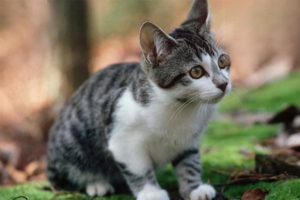
Feline Distemper: Causes, Symptoms, Incubation Period and Treatment
Feline distemper is no joke—it can take a cat's life and spread to more healthy cats, causing more to die from it. So how do cats get it, and how should feline distemper be treated?

How to Correct a Picky-Eating Cat
When a cat eats a little then plays, only eats when extremely hungry, or only eats treats—whatever the form, all of these count as picky-eating behavior.

What to Do After a Dog Is Poisoned
If a dog shows signs of poisoning, it should be taken to the veterinary hospital immediately.

How to Choose a Dog Food Storage Container
Today let's learn together how to choose a suitable dog food storage container.