Search Results
1584 results for “type 1”

What to Do When Your Pet Cries at Night
Nighttime vocalizing usually traces back to illness, a sudden change in routine or surroundings, or mating behavior, so finding the cause comes first. Calming measures include a high-calorie snack before bed, play to burn off energy, steady companionship, keeping familiar items in place, topping up trace elements, and a vet check for older pets.

What Snacks Can You Give a Cat?
Healthy cat snacks round out the vitamins and minerals a single dry diet can't supply, and the best ones please the palate while adding nutrition and moisture. Good choices include lactic-acid-bacteria pouches, gravy toppers, wet-food sachets, and freeze-dried training treats.

Factors That Affect How Well You Train a Dog
A dog's training outcome depends as much on the handler's approach as on the animal itself. Patience without harshness, a single consistent trainer, a gradually busier environment, and methods matched to the dog's temperament all decide how fast and how well the lessons stick.

Why Cats Get Annoyed — and How to Make Up Afterward
Cats are territorial and sensitive to pressure, so the fastest ways to annoy one are bringing home another cat, pointing a finger at it, or handling it too roughly. Once you have upset a cat, give it space, approach calmly, and win it back with a soft voice, a slow blink, and a treat.

Symptoms of Leptospirosis in Pets
Leptospirosis is a zoonotic infection of dogs and cats caused by pathogenic Leptospira, often silent but marked by fever, jaundice, anemia, edema, hemoglobinuria, bleeding, and in severe cases kidney and liver failure. It spreads through urine, contaminated water, and bites, peaks in warm wet seasons, and is diagnosed by signs plus kidney and liver damage. Prevention is vaccination and rodent control; treatment is antibiotics plus supportive care, avoiding streptomycin when kidneys are involved.
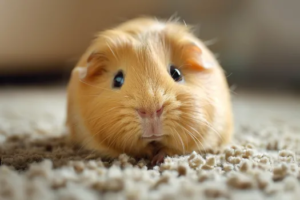
Which Hamster Is the Gentlest?
Among Campbell's dwarf hamsters, the wild-colored and 'purple' varieties have the gentlest temperaments, the Roborovski is the smallest, and the 'milk tea' is the prettiest — but hamsters are solitary and breed fast, so house them one per cage to avoid fights and overcrowding. Give a roomy cage with a wheel, keep them cool (they hate heat), feed a proper mix rather than human food, and offer boiled-cooled water and chew toys.

Hidden Traps in Your Cat or Dog’s Diet (Part 2)
Two diet traps to watch: vegetables and snacks. Never feed onion, garlic, mushrooms, or soybeans, keep veggies under 25% of the diet (cats are carnivores), blanch and purée them, and favor cooked cruciferous types. For snacks, pick reputable brands that supply missing vitamins/minerals, avoid permeable packaging that spoils in storage, and treat them as supplements — not the main diet.

Treating Ovarian Cysts in Dogs
Ovarian cysts in dogs come in four types—follicular, luteal, epithelial tubule, and rete ovarii—with the first two most common, usually from hormonal imbalance and more frequent in older dogs. Diagnosis uses hormone tests and imaging, and treatment ranges from watchful waiting to hormone therapy or spaying (ovariohysterectomy).

What Small Dog Breeds Stay Small?
Toy and small breeds keep their compact size for life, making them ideal for apartment living. Popular picks include the Poodle, Bichon Frise, Pomeranian, Chihuahua, Pug, Miniature Pinscher, and Schnauzer — most are smart, lively, and light shedders.

Treating Dog Vomiting with Traditional Chinese Medicine
Vomiting in dogs comes from a stomach that can't settle and rebels upward — driven by cold-damp invasion, spoiled food, or weak digestion — and TCM sorts it into heat, food-stagnation, and deficiency-cold types, each with its own pattern and formula (Baihu Tang, Baohe Wan, Lizhong Wan). Match the pattern to the remedy rather than treating every vomit the same way.