Search Results
6 results for “turtle sunken eyes”

What to Do About a Turtle’s Sunken Eyes
Sunken eyes mean the turtle's body has a problem; find the cause and treat it. Here are the likely causes and treatments for sunken turtle eyes.

Why Are My Turtle’s Eyes Sunken?
Sunken eyes in turtles are usually from poor nutrition or serious dehydration. Malnutrition comes from illness/parasites or an unbalanced diet; dehydration from dry-keeping without soaking, bacterial infection, or hibernation. Treat the underlying cause, replenish nutrients (fish/shrimp, vitamins) and water, and see a vet if it doesn't improve.

What Are the Symptoms of Turtle Enteritis?
Turtle enteritis has early, middle, and late stages; early signs are mild and easy to treat, but delaying makes the disease and its treatment far harder. Early clues are abnormal, off-color stools while the turtle stays active; mid-stage brings sunken eyes, refusal to eat or drink, and floating; late-stage shows a head-down resting posture, slow response, and slack cloaca—usually beyond saving.

Symptoms, Prevention, and Treatment of Turtle Enteritis
Turtle enteritis is best prevented—clean enclosures, good water quality, and sensible feeding greatly lower the outbreak rate. Early signs are lethargy, poor appetite, and misshapen or discolored stools; advanced cases show sunken eyes and dry skin. Control relies on sanitation, water quality, proper feeding, isolation, and herbal or berberine injections.

Why Is My Turtle’s Poop Green?
Green turtle stool can be normal—often from eating leafy greens—but it may also signal enteritis, especially with lethargy, mucus, or darkening stool. Treat enteritis by isolating the turtle and bathing it in oxytetracycline; severe cases need a veterinarian.
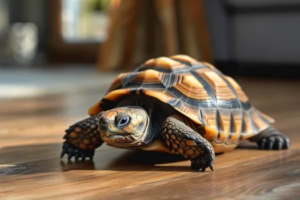
How to Tell If Your Turtle Is Sick
A sick turtle shows clear warning signs: sluggish reactions, sunken limbs, floating for long periods, swollen neck or legs, abnormal droppings, and shell rot. Watch your turtle daily so you can act early and avoid serious illness.