Search Results
168 results for “turtle skin rot”

Why Is Your Turtle Vomiting?
Turtle vomiting can follow post-surgery weakness, big temperature swings, spoiled food, gut damage from overfeeding, or toxin ingestion. Fixes range from rest and warm water to antibiotics, probiotics, or induced vomiting for poisoning. This article covers the causes and treatments.
How to Get a Turtle to Eat
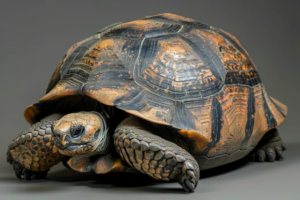
A turtle may refuse food because the water is below 15°C (it wants to hibernate), the water is below shell level (young turtles need water pressure to eat), it is bored of one food, or it is ill. Warm the water, raise the level, vary the diet, or treat illness. This article explains the four factors.
How Can I Raise a Turtle Well?
Basics: provide a suitable tank with filter, heater, lighting for stable water, temperature, and light; add a basking platform. Feed age-appropriate food (small fish, shrimp, vegetables, fruit, dried food), control portions to avoid obesity. Regular water changes and tank cleaning to protect health.
Key Things to Manage When Keeping Turtles in Summer
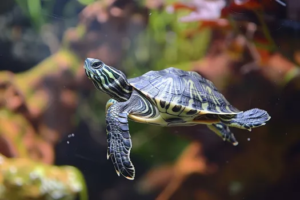
Summer is the fastest growth season for turtles, and their appetite increases greatly. But to protect their digestive health, owners must feed sensibly to avoid obesity or gastroenteritis and fatty liver disease from overeating. Our pet care specialists walk you through the key points of summer turtle keeping.

What to Do If a Golden Coin Turtle Has Shell Rot
Treating golden coin turtle shell rot starts with observing severity, since mild and severe cases differ in method, choose the most suitable based on the actual symptoms. Our pet care specialists analyze the treatment methods.
How do I pick a Chinese pond turtle (golden thread turtle)?
Pick tips: weight—hatchlings 10–15g; underweight suggests poor health. Carapace color—healthy hatchlings darker, deep green. Ensure skin intact, no shell rot; eyes fully open; head/limbs not missing/deformed. Flip it on a table—a strong one flips back.

Is the Golden Coin Turtle Hard to Keep? Is It Good for Beginners?
Golden coin turtles are fairly hard to keep, hatchlings can drown and have low resistance and get sick easily, needing careful care. But experienced keepers can do well. Today our pet care specialists detail how to keep them.

Precautions for Keeping Turtles in Summer
Turtles struggle with summer's heat, which also affects breeding turtles' reproduction. To keep turtles well in summer, strengthen management to avoid harm. Our pet care specialists list the key summer precautions to help your turtle through the hot season.
How do you care for a small turtle?
Caring for a small turtle: first choose a proper enclosure—different species need different environments. For a Chinese pond turtle, provide space over 5 times the shell area with a basking platform made of a large rock.
I have kept an old pignose turtle for over ten years; suddenly it has many bumps on its back and will not move or eat — how can I help it?
Bumps on a pignose turtle's back are likely shell rot or skin rot. Gently brush the shell with a soft toothbrush, disinfect wounds with peroxide or iodine, and apply erythromycin ointment. Keep the water at a constant 28 to 30 C and raise hardness to about 7.5 to 8 with fine substrate and beneficial bacteria; avoid leaving shrimp or meat in the water and feed veggies, fruit, and pellets.